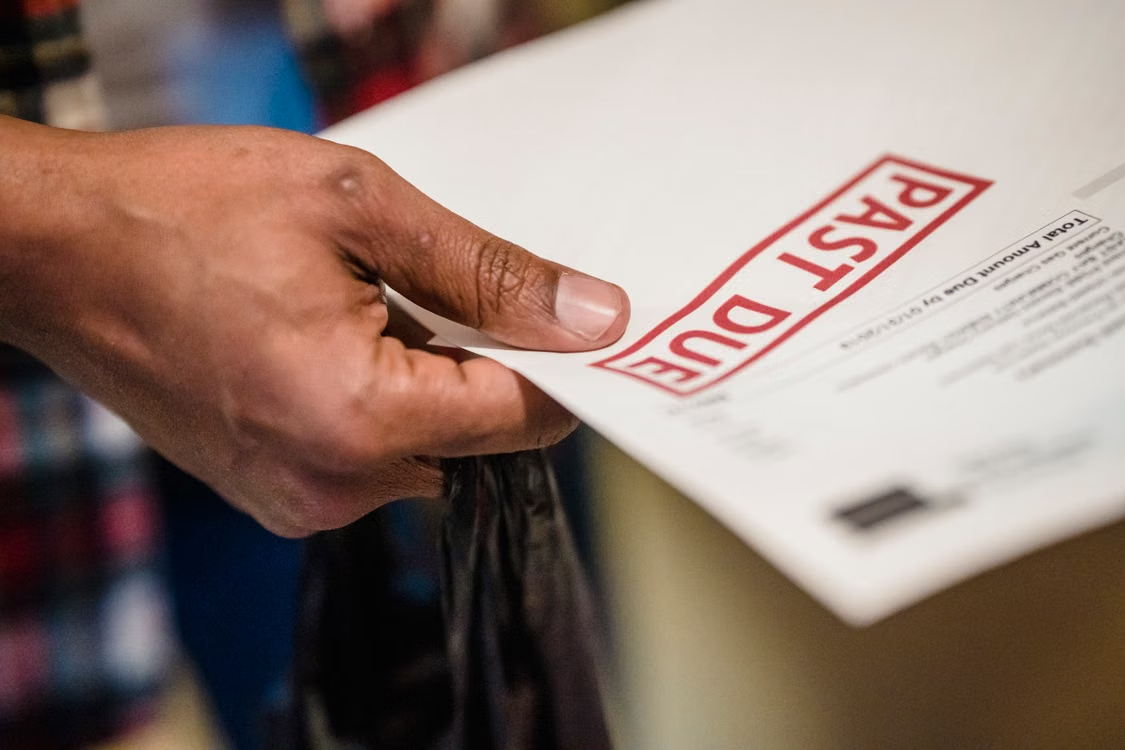

What happens when your debt has grown so large that every paycheck disappears before you can catch up?
According to the U.S. Courts, 557,376 bankruptcy cases were filed nationwide in the 12 months ending June 30, 2025. For many people, bankruptcy can provide a legal way to address serious debt problems and regain control of their finances. Understanding the difference between Chapter 7 vs Chapter 13 bankruptcy is an important first step.
Chapter 7 Bankruptcy: A Faster Path to Debt Relief
Chapter 7 bankruptcy is often considered when a person has limited income and cannot realistically repay their debts. The process may allow eligible unsecured debts, such as credit card balances and certain medical bills, to be discharged.
However, Chapter 7 is not automatically available to everyone. Income, household size, expenses, and other financial information may affect eligibility. A means test is generally used to determine whether a person qualifies.
Chapter 7 may be worth considering when:
- Income is limited or inconsistent
- There is little ability to repay unsecured debt
- A person wants a relatively faster bankruptcy process
- Discharging eligible debt is the primary goal
Chapter 13 Bankruptcy: Repayment Over Time
Chapter 13 bankruptcy may be more suitable for individuals with regular income who can afford to make payments over time. Instead of requiring immediate repayment of all eligible debt, Chapter 13 generally involves a court-approved repayment plan that lasts several years.
This option may help individuals:
- Catch up on certain secured debts
- Protect property while making required payments
- Address qualifying debts through a structured plan
- Keep greater control over certain assets
The key difference in Chapter 7 vs Chapter 13 bankruptcy often comes down to income, assets, debt type, and the ability to make regular plan payments.
Which Bankruptcy Option May Fit Your Situation?
The right choice depends on more than the total amount of debt. Income, household expenses, property ownership, secured debts, and long-term financial goals can all affect the decision.
If you are facing a debt collection lawsuit in Ingleside, waiting too long to seek legal guidance may limit the options available to you. Speaking with a bankruptcy attorney in Ingleside early can help you understand whether Chapter 7 or Chapter 13 may be appropriate.
A Clearer Path Starts With the Right Legal Guidance
Could bankruptcy give you a practical way to address serious debt problems? At the Law Office of Joel Gonzalez, we provide direct legal guidance based on your individual circumstances.
As a bankruptcy lawyer in Ingleside, Joel Gonzalez can help you understand your options and determine whether Chapter 7 or Chapter 13 may better fit your situation.
Contact the Law Office of Joel Gonzalez to discuss your debt concerns with an experienced bankruptcy attorney and take the next step toward resolving them with a clear legal strategy.