
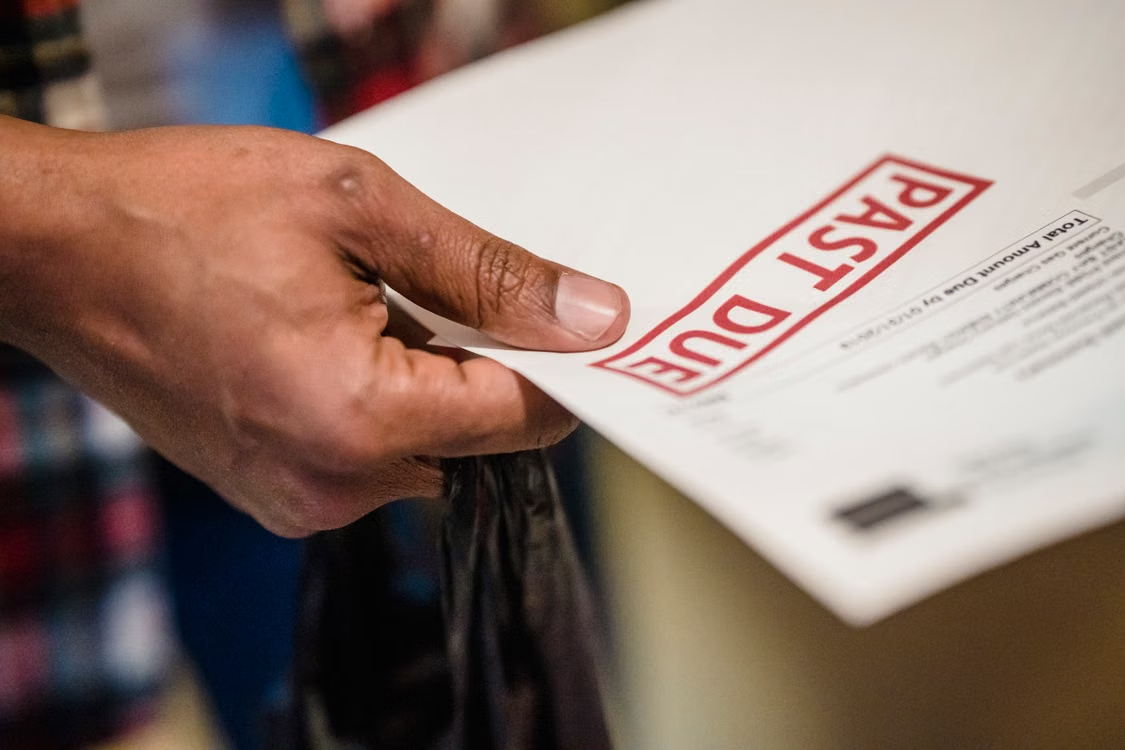
A major financial setback can disrupt plans that once seemed secure. Job loss, unexpected medical expenses, business difficulties, divorce, or mounting debt can quickly change a household’s financial position. When obligations begin outpacing available income, responding thoughtfully can make it easier to understand what options remain.
Rather than reacting to the most urgent bill alone, it can help to examine the entire financial picture, identify priorities, and determine whether legal debt relief strategies may provide a more sustainable path forward.
Start by Taking Stock of Your Financial Position
After a financial setback, begin by identifying what you owe, what you own, and how much income is currently available. Make a list of credit card balances, medical bills, tax obligations, loans, past-due accounts, and other debts.
Next, separate essential expenses from obligations that may offer greater flexibility. Housing, utilities, transportation, food, insurance, and other necessities generally require immediate attention. Having a clear overview can help you determine whether your financial difficulties are temporary or whether the debt has become difficult to manage without additional assistance.
Communicate With Creditors Before Problems Escalate
Ignoring bills and collection notices rarely makes financial problems disappear. Depending on the circumstances, creditors may be willing to discuss payment arrangements, modified terms, or other potential solutions.
If you are already facing collection activity or a lawsuit, however, the situation may require a different response. Speaking with bankruptcy lawyers or a debt relief attorney can help you understand the legal options that may apply to your circumstances rather than making decisions based solely on pressure from creditors.
Consider How Debt Decisions Could Affect Important Assets
Protecting important property is often a major concern after a financial setback. Before selling assets, withdrawing retirement savings, transferring property, or taking on additional loans to pay existing debts, consider the longer-term consequences.
Debt relief laws can be complex, and the right approach depends on the type of debt, property involved, income, and other individual circumstances. Consulting a debt relief law firm in Ingleside can help you better understand potential legal protections and the consequences of different debt relief strategies before taking action.
Determine Whether Bankruptcy May Be an Appropriate Option
Bankruptcy is not automatically the right solution for every financial problem. Some individuals may be able to address their obligations through repayment arrangements, negotiations, tax relief strategies, or other approaches. When those alternatives are not practical, bankruptcy may be a better approach if that is not an option.
Chapter 7 and Chapter 13 bankruptcy can provide different forms of relief depending on a person’s eligibility and financial circumstances. A bankruptcy attorney can review debts, assets, income, and financial goals to help determine whether filing may be appropriate.
Know When to Seek Professional Legal Guidance
You do not necessarily have to wait until financial difficulties become overwhelming to speak with an attorney. Collection lawsuits, repossession concerns, significant credit card or medical debt, and unresolved tax obligations can all be reasons to explore legal guidance.
Getting informed early can help you understand your rights and make decisions based on your complete financial situation rather than immediate financial pressure.
Explore Your Debt Relief Options With Joel Gonzalez
A financial setback does not have to leave you without a plan. The Law Office of Joel Gonzalez, a debt relief law firm serving Corpus Christi and communities throughout the Southern District of Texas, assists clients with credit card lawsuits, medical debt, tax relief, repossession, and bankruptcy matters.
Contact our bankruptcy attorney in Corpus Christi to discuss your circumstances, understand your options, and take steps toward protecting your rights.