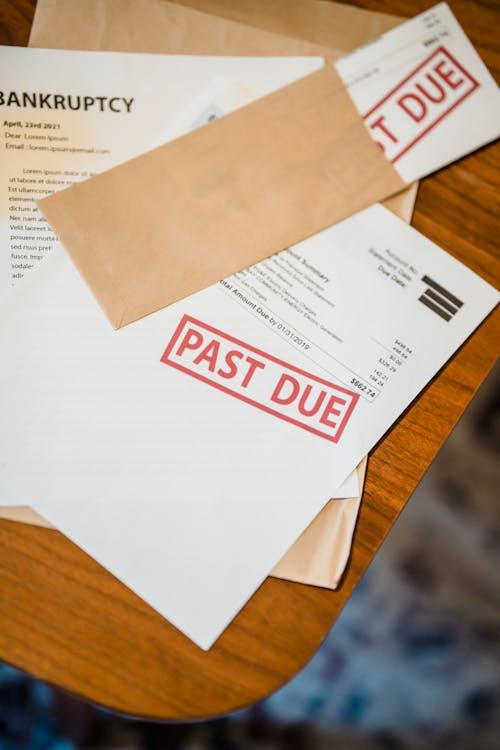
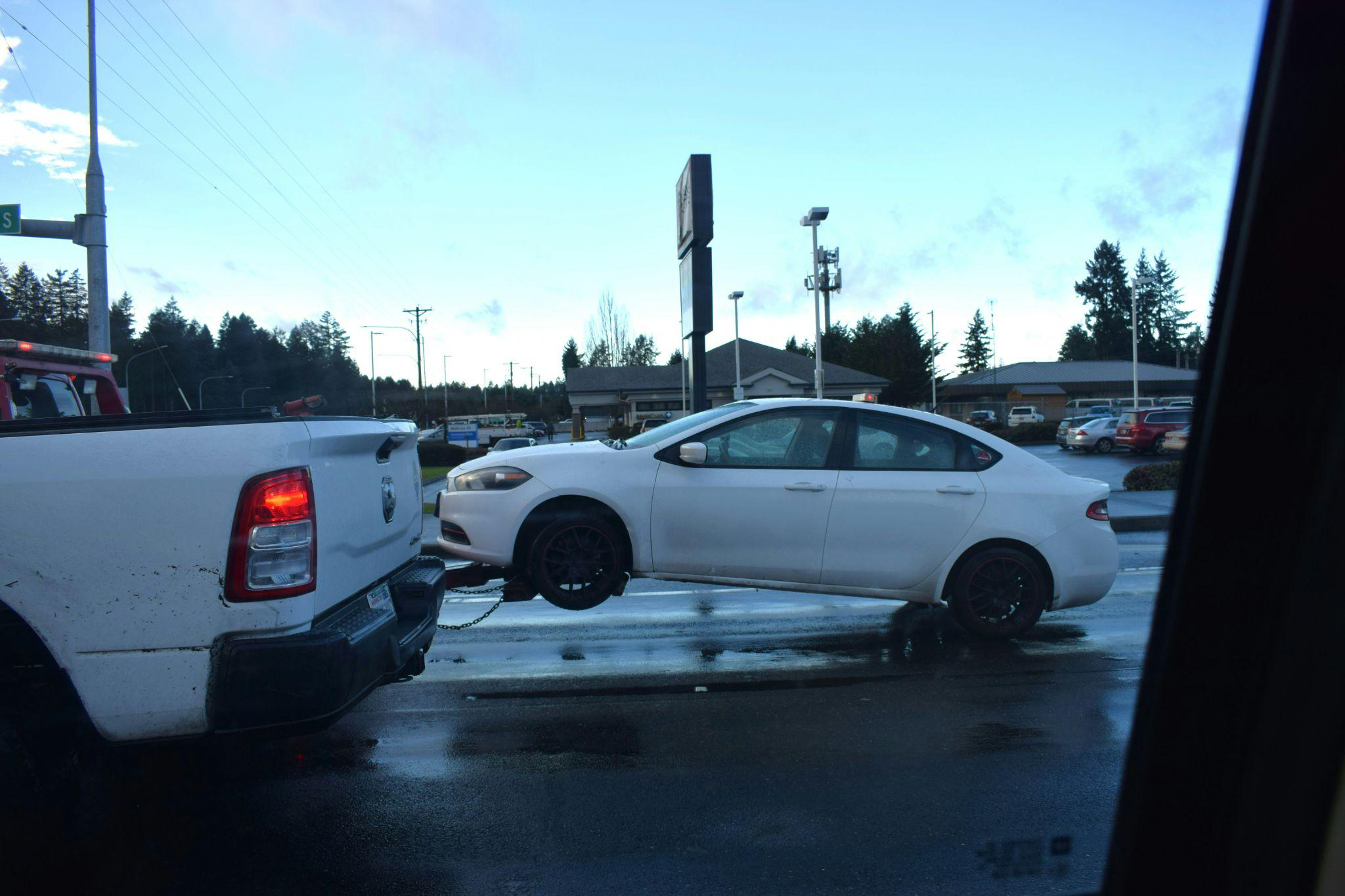
When your car is at risk of repossession, the worry sets in fast. Missed payments, added fees, and repeated notices signal that the lender is closely monitoring the account. Many people fear waking up to find the car gone without warning. Acting quickly gives you more options and helps you stay in control before the lender moves forward.
Immediate Steps to Take When You Suspect a Risk of Repossession
If you believe your car is facing a risk of repossession, reach out to the lender right away. Ask if a repayment plan or temporary extension is possible. Many lenders allow short-term hardship arrangements that give you time to adjust your finances.
Read every notice mailed to you. Important information about fees, deadlines, and next steps is usually included in these letters. Small late fees can grow fast, increasing the threat of car repossession.
Document every conversation. Write down the date, the name of the representative, and what they explained. These notes help protect you later, especially if the lender gives unclear or conflicting instructions.
What Happens During a Car Repossession and What You Need to Know
During a car repossession, lenders send a recovery agent to seize the vehicle. This can happen at your home, workplace, or any public area. The agent must avoid damaging property and cannot use force. They cannot enter a closed garage, locked gate, or secured area without permission.
Once the car is taken, it may be sold at a quick auction. If the selling price does not cover the total balance of your loan, you may still owe the remaining amount, known as a deficiency balance. Losing the vehicle and facing additional debt make the situation more stressful, which is why early action matters.
Should You Consider Voluntary Repossession?
Some people ask if voluntary repossession is a better choice. Voluntary surrender occurs when you return the vehicle to the lender yourself. It reduces the surprise element and may lower storage or towing fees. However, it still affects your credit and may leave you responsible for a deficiency balance.
Surrender can shorten the process, but it does not eliminate financial consequences. In certain situations, offering the vehicle may prevent additional charges, especially if your lender has already issued multiple warnings. Before choosing this option, consider discussing the impact with a financial professional or attorney.
If you’re considering your options for voluntary repossession, get in touch with a lawyer who can guide you. Contact here for a free consultation today.
How Legal Support Protects You When Facing the Risk of Repossession
Legal guidance becomes valuable when your car is at risk of repossession. Attorneys understand the timelines lenders follow and can help slow or stop the process. A bankruptcy lawyer Corpus Christi drivers often contact can use the automatic stay to halt repossession immediately once a bankruptcy case is filed.
Bankruptcy can also help you catch up on missed payments through structured repayment plans or discharge certain unsecured debts, freeing up income for your car loan. A repossession attorney can also identify lender mistakes, such as improper notices or violations during the seizure attempt. These errors may create an opportunity to challenge the repossession or negotiate better terms.
Contact Us for Help Protecting Your Vehicle From Repossession
If your car is at risk of repossession, reach out to the Law Office of Joel Gonzales now. We assist with repossession defense, loan reviews, and bankruptcy evaluations. Our team acts quickly to help you protect your vehicle and understand your options. Contact us before a tow truck arrives so you remain in control.