

What would someone do if the bills kept rising every month while their income stayed the same? Many Texans face that very question, and the pressure can feel relentless. Consider a common situation: a consumer gets sick, loses work for a short period, or faces a sudden expense. One late payment leads to another, interest rates increase, and calls from collectors become constant. According to a recent national financial study, over 60% of households say they cannot cover a $1,000 emergency without going into debt, which means that even a small setback can quickly turn into a long-term strain.
When debt continues to build, consumers often want a path that brings real protection and a fresh start—not a temporary fix. Filing for bankruptcy relief in Texas can provide that kind of protection when used correctly. However, most people do not know how the process works, what steps are required, or how the federal system stops aggressive collection efforts immediately after a case is filed.
For individuals who need guidance, a knowledgeable bankruptcy attorney in Corpus Christi can help them understand how each step works and whether a Chapter 7 or Chapter 13 structure fits their situation. This article explains the filing process, the means test, the required documents, the automatic federal protections, and what consumers should understand before deciding how to file for bankruptcy relief in Texas.
Understanding Bankruptcy Relief and How It Works in Texas
Before taking any step, consumers should understand what bankruptcy is designed to do. Bankruptcy is a federal legal process that allows individuals to eliminate or reorganize debt under court supervision. Texas residents benefit from some of the strongest property protections in the country, but they still must meet federal filing requirements.
To build a clear understanding, it helps to look at:
- How bankruptcy protects consumers
- The forms of bankruptcy most individuals use
- Why federal law governs the process
- How Texas exemptions work
- Whether a Chapter 7 bankruptcy attorneyor Chapter 13 bankruptcy attorney might be appropriate
This foundation helps individuals make informed decisions before beginning the filing process.
1. Why Bankruptcy Exists and How It Protects Consumers
The bankruptcy system exists to provide relief for individuals who cannot realistically repay their debts. It is not punishment, nor is it failure. It is a structured legal process that gives people the chance to regain control.
Key purposes of bankruptcy include:
- Stopping collection actionsthrough the automatic stay
- Eliminating qualifying debtsthrough discharge
- Giving households a structured repayment planif they earn enough to reorganize
- Creating a clear, court-supervised environmentwhere creditors must follow federal rules
How the automatic stay helps
As soon as someone files for bankruptcy, an immediate legal protection called the automatic stay takes effect. This stay restricts creditors from continuing aggressive actions. For many Texans, this protection alone provides emotional relief and allows them to focus on completing the process.
- Common reasons people file
- While everyone’s situation is different, certain causes repeatedly appear:
- Medical debt
- Job disruptions
- Increased interest rates
- High minimum payments
- Loss of a major source of household income
- Long-term reliance on credit
Once a consumer understands why bankruptcy exists and how it protects them, the next step is determining which chapter fits their needs.
2. Understanding the Two Common Consumer Bankruptcy Chapters
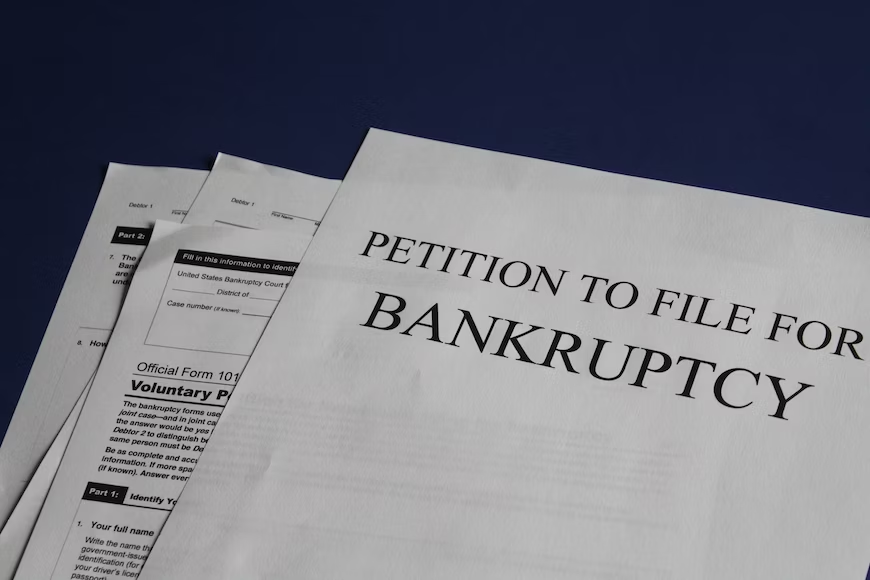
Most individuals file under Chapter 7 or Chapter 13. These two options serve very different purposes, and choosing the right one depends on income, property, debts, and goals.
2.1 Chapter 7 — Liquidation With Federal Protections
Chapter 7 is the most common form of consumer bankruptcy. It is designed for those who cannot realistically pay back unsecured debts.
How Chapter 7 works
- A court-appointed trustee reviews the case
- Qualifying unsecured debts may be discharged
- Many consumers keep their property due to exemptions
- The case typically finishes within a few months
A person considering this form may seek guidance from a Chapter 7 bankruptcy attorney to understand exemptions and the means test.
Who qualifies?
Eligibility depends on the means test. This test compares a consumer’s income to Texas median income levels. If the income is below the median, Chapter 7 is generally available. If it is above the median, a more detailed calculation determines whether the person can still qualify.
2.2 Chapter 13 — Structured Repayment for Those With Steady Income
Chapter 13 is designed for those who can repay some of their debt through a court-approved plan.
How Chapter 13 works
- The consumer proposes a three- to five-year repayment structure
- Payments depend on income and living expenses
- At the end of the plan, remaining qualifying debt may be discharged
- Individuals may keep more property than in Chapter 7
A person considering Chapter 13 may need guidance from a Chapter 13 bankruptcy attorney to form a realistic repayment plan.
Common reasons people choose Chapter 13
- Higher income
- Preference to keep certain assets
- Ability to repay part of their debt
- Failure to qualify for Chapter 7
Both chapters offer meaningful protections, but consumers must understand the means test before choosing a path.
3. The Means Test: What Texans Should Know Before Filing
The means test is one of the most misunderstood parts of the bankruptcy process. It prevents higher-income individuals from filing under Chapter 7 unless their disposable income is low enough to justify discharge instead of repayment.
3.1 The Two-Step Means Test Process
Step 1: Compare household income to the Texas median
Texas median income levels change periodically. The test looks at the previous six months of income and calculates an average. If the consumer’s income is below the median, Chapter 7 is typically allowed.
Step 2: If income is above the median, calculate disposable income
The second part deducts:
- Housing expenses
- Transportation costs
- Health care expenses
- Secured debt payments
- Other qualifying deductions
If, after standardized deductions, the individual shows little to no disposable income, Chapter 7 may still be available.
3.2 When Chapter 13 Becomes the Better Fit
If the means test shows enough disposable income, the consumer may need to reorganize under Chapter 13. Chapter 13 is not a punishment—it simply acknowledges that the person can repay a portion of what they owe.
Important considerations for Chapter 13
- The repayment plan must be realistic
- The household budget must be sustainable
- Missing payments can disrupt the case
- The court must approve any changes to the plan
Understanding the means test is essential because it influences every other part of the filing process.
4. Preparing to File for Bankruptcy Relief in Texas

Once a consumer decides to file for bankruptcy relief in Texas, preparation is critical. The process requires accuracy, organization, and full disclosure.
4.1 Required Documents Before Filing
Consumers must gather and organize detailed information, including:
- Proof of income(pay stubs, self-employment records, retirement income, benefit statements)
- Tax returns(typically two years)
- Lists of assets(vehicles, personal items, financial accounts, real estate)
- Detailed debt information(credit cards, medical bills, loans)
- Living expense records(rent, utilities, insurance, transportation)
Missing information can slow the case or cause errors that may lead to complications.
4.2 Mandatory Credit Counseling
Before filing, federal law requires individuals to complete a credit counseling course from an approved provider. This course:
- Explains alternatives
- Provides a budget analysis
- Issues a certificate required for filing
After completing the course, the consumer receives documentation to file with the court.
4.3 Filing the Petition With the Court
Once the documentation is ready, the consumer files a petition in the appropriate federal bankruptcy court district. Texas has multiple districts, so filing occurs within the district where the person lives.
When the petition is filed:
- The automatic stay begins
- The court assigns a trustee
- Creditors must comply with federal restrictions
- Deadlines become legally binding
This stage marks the beginning of formal bankruptcy protection.
5. The Automatic Stay: Federal Protection That Begins Immediately
The automatic stay is one of the strongest features of bankruptcy law. It creates an immediate shield that restricts various creditor activities.
5.1 What the Automatic Stay Does
While the stay is active, creditors must pause collection attempts. This allows the consumer time to complete the case without pressure.
5.2 Situations Where Creditors Must Comply
Creditors must abide by federal law once the stay begins. Failure to do so can result in penalties for the creditor.
5.3 Duration of the Automatic Stay
The stay remains active until:
- The case concludes
- The court modifies it
- The consumer violates terms of the bankruptcy
- A creditor successfully requests a limited modification
For most individuals, the stay provides consistent protection from the start of the case until the discharge is issued.
6. Life After Filing: What Consumers Should Expect
Filing is only the beginning. Consumers should understand what happens during and after the case.
6.1 The Meeting of Creditors (341 Meeting)
The 341 meeting is a required step. It is not a trial. It is a short meeting where the trustee verifies:
- Identity
- Accuracy of documents
- Basic financial information
Creditors may attend, but most do not. The meeting usually lasts only a few minutes.
6.2 Completing the Debtor Education Course
Before receiving a discharge, individuals must complete a second course known as debtor education. This course focuses on financial skills and long-term budgeting.
6.3 Timeline for Receiving a Discharge
The timeline varies:
- Chapter 7: Typically 3–5 months
- Chapter 13: 3–5 years, depending on the repayment plan
A discharge permanently eliminates qualifying unsecured debt, giving the consumer a fresh start.
7. How Bankruptcy Affects Debt Types

Not all debts are treated the same. Understanding what bankruptcy can and cannot eliminate helps consumers form realistic expectations.
7.1 Debts Commonly Discharged
- Medical bills
- Credit card balances
- Personal loans
Some older accounts that no longer have enforceable terms
7.2 Debts Not Typically Discharged
Some debts remain after bankruptcy unless specific exceptions apply. Understanding these helps individuals plan their financial recovery realistically.
7.3 The Role of Secured Debts
Secured debts involve collateral. Consumers may choose to:
- Keep the asset and continue payment
- Surrender the asset
- Reaffirm a debt under court rules
These decisions often shape the structure of a Chapter 13 plan or the outcome of a Chapter 7 case.
8. Texas Exemptions: A Key Part of Protecting Property
Texas has generous exemption laws that protect certain household property. While bankruptcy is federal, states can decide what assets residents may keep.
Common Texas exemptions include:
- Personal property up to certain value limits
- Vehicles
- Home protections under specific conditions
- Retirement accounts protected by federal law
These exemptions allow many Texans to keep property while still obtaining relief.
9. Mistakes Consumers Should Avoid When Preparing to File
Preparation affects the stability of a case. Certain mistakes can slow the process or create complications.
9.1 Not Listing All Debts
Consumers must disclose all debts. Leaving one out can cause complications later.
9.2 Not Disclosing All Income or Assets
Accuracy is essential. Omissions can lead to delays or worse.
9.3 Paying Back Certain People Before Filing
Payments to family members or specific creditors before filing may be considered preference payments.
9.4 Using Credit Right Before Filing
Large charges shortly before filing may raise questions during the case.
9.5 Filing Without Understanding Requirements
The process requires full accuracy, organization, and attention to deadlines.
10. Why Understanding the Filing Process Helps Texans Make Better Decisions
Filing for bankruptcy is a serious step, but understanding how it works allows consumers to take control with confidence.
Key reasons to understand the full process include:
- Avoiding delays
- Maximizing property protections
- Reducing stress
- Ensuring long-term financial recovery
- Choosing the right chapter
- Preparing accurate documents
- Understanding expectations before starting
Consumers who thoroughly understand the process feel more confident about taking the next step.
A Fresh Start Awaits: Why Contacting a Bankruptcy Professional Makes the Process Smoother

What if the path to a fresh start is far more manageable than it first appears? Many Texans discover that once they understand the filing process, the steps are clear and the protections are strong.
Those considering whether to file for bankruptcy relief in Texas can benefit from speaking with the Law Office of Joel Gonzalez, where individuals receive guidance from a bankruptcy lawyer with extensive experience helping people file accurately and confidently. As a bankruptcy lawyer in Corpus Christi, TX, Attorney Joel Gonzalez explains filing requirements, means test considerations, and whether Chapter 7 or Chapter 13 fits a client’s situation. His focus on consumer bankruptcy allows individuals to approach the process with clarity and reassurance.
Anyone who needs reliable guidance, wants to understand their options, or is considering the next step can contact the Law Office of Joel Gonzalez for a consultation. This allows consumers to understand how the process applies to their circumstances and how bankruptcy can provide real protection when debt becomes unmanageable.