

What starts as a single letter or phone call can quickly become a source of ongoing stress. Many people delay responding because they hope the issue will go away, only to find that collection efforts become more persistent over time.
Debt collection continues to be one of the most common sources of consumer complaints in the United States, showing how frequently people face collection-related concerns.
When collection activity begins, understanding legal rights and available options can make a meaningful difference. For individuals dealing with collection notices, disputed balances, or legal claims, guidance from a debt collection relief attorney may help them better understand the situation and determine appropriate next steps.
The Law Office of Joel Gonzalez provides legal representation in debt-related matters, helping clients evaluate solutions based on their individual circumstances.
This article discusses the types of debt collection matters attorneys commonly handle, how collection cases often develop, consumer rights, available legal responses, and situations where legal guidance may be appropriate.
Understanding Debt Collection Cases
Debt collection is the process creditors or collection agencies use to recover money they believe is owed. Sometimes the original creditor attempts to collect the debt directly. In other situations, the account may be assigned or sold to another company that continues collection efforts.
Not every collection matter follows the same path. Some accounts involve straightforward payment issues, while others raise questions about account ownership, disputed balances, identity errors, or compliance with consumer protection laws.
Attorneys who handle debt collection matters often assist clients in reviewing these situations and identifying the legal issues involved.
Common Types of Debt Collection Matters Attorneys Handle
Collection-related legal matters cover a wide range of financial obligations. Some of the most common include:
Credit Card Debt
Credit card accounts are among the most frequently collected consumer debts.
Legal issues may involve:
- Disputed balances
- Multiple collection agencies contacting the same consumer
- Questions regarding account ownership
- Collection lawsuits
- Settlement discussions
- Verification of debt
An attorney can review available documentation and explain legal options based on the circumstances.
Medical Bills

Medical expenses often become difficult to manage after unexpected illnesses, emergency treatment, or lengthy hospital stays.
In many situations, unpaid healthcare bills are transferred to a medical debt collection agency, which then begins collection efforts.
Medical collection matters may involve:
- Hospital bills
- Emergency room charges
- Physician invoices
- Ambulance fees
- Surgical expenses
- Laboratory services
- Imaging services
Because healthcare billing can be complicated, legal review may help identify billing errors, insurance issues, duplicate charges, or collection concerns.
Many people also ask whether medical bill collections may become part of a broader debt relief strategy. Depending on individual circumstances, medical debt may be evaluated alongside other financial obligations when considering available legal options.
Personal Loans
Collection activity may also involve unsecured personal loans obtained from:
- Banks
- Credit unions
- Finance companies
- Online lenders
These matters may include disagreements regarding:
- Remaining balances
- Interest calculations
- Collection fees
- Payment history
- Account ownership
Each case depends on the available records and applicable law.
Auto Loan Deficiencies
After a vehicle is repossessed and sold, the sale proceeds may not fully satisfy the remaining loan balance.
The remaining amount is commonly called a deficiency balance.
Collection agencies or lenders may attempt to collect this amount through traditional collection methods or legal action.
Attorneys frequently review:
- Sale documentation
- Loan agreements
- Deficiency calculations
- Notice requirements
Business-Related Personal Guarantees
Small business owners sometimes personally guarantee business loans or lines of credit.
If the business cannot satisfy the obligation, collection efforts may focus on the individual guarantor.
Legal review often includes:
- Guarantee agreements
- Loan documentation
- Collection notices
- Possible defenses
When Debt Collection Becomes More Serious

Collection activity often progresses through several stages.
Although every situation differs, many cases develop in a similar pattern.
Initial Notices
The process often begins with written correspondence explaining:
- The amount claimed
- The creditor’s identity
- Payment instructions
- Consumer rights
Reviewing these notices carefully is important because they may contain deadlines or information regarding dispute rights.
Telephone Contact
Collectors may contact consumers by phone to discuss payment.
Consumers have legal protections regarding certain collection practices, and collection communications must comply with applicable federal law.
Keeping records of conversations can be helpful if questions later arise.
Written Collection Demands
As collection efforts continue, consumers may receive additional letters requesting payment.
These notices sometimes include:
- Updated balances
- Settlement offers
- Payment plans
- Deadlines for responding
Receiving multiple letters does not necessarily mean every amount claimed is accurate.
Documentation should be reviewed carefully.
Collection Lawsuits
Some collection matters eventually become court cases.
A debt collection lawsuit does not automatically mean the collector will prevail.
Instead, the lawsuit begins a legal process where both sides have opportunities to present information.
For example, someone facing a debt collection lawsuit in Corpus Christi should understand that responding within applicable deadlines may be important. Ignoring court papers can limit available legal options.
Attorneys commonly assist with:
- Reviewing lawsuits
- Preparing legal responses
- Evaluating documentation
- Identifying possible defenses
- Representing clients during litigation
Why Debts Sometimes End Up With Collection Agencies

Many people wonder why they suddenly begin hearing from companies they have never done business with.
Many people wonder why they suddenly begin hearing from companies they have never done business with.
Several situations commonly lead to collection activity.
Missed Payments
- Accounts may be transferred after payments remain unpaid for an extended period.
- Different creditors follow different timelines before assigning or selling accounts.
Charged-Off Accounts
- A creditor may classify an account as charged off for accounting purposes.
- A charge-off does not necessarily eliminate the debt.
- Collection efforts may still continue through another company.
Debt Sales
Some creditors sell accounts to debt buyers.
The purchasing company may then attempt collection.
These situations sometimes raise questions regarding:
- Ownership records
- Account documentation
- Balance calculations
An attorney may review whether supporting documentation appears sufficient.
Consumer Rights During Debt Collection
Federal law provides protections designed to help consumers receive fair treatment during collection efforts.
Understanding these protections helps people recognize when collection activity may raise legal concerns.
Consumers generally have rights involving:
- Accurate identification of the debt
- Information about the creditor
- Requests for debt verification
- Limits on certain collection conduct
- Protection from misleading representations
Knowing these rights allows consumers to make informed decisions before responding.
Why Documentation Matters
One of the first steps in evaluating a collection matter is reviewing paperwork.
Important documents may include:
- Original account agreements
- Monthly statements
- Payment histories
- Collection letters
- Emails
- Court documents
- Settlement agreements
- Credit reports
Missing documents do not automatically determine the outcome of a case, but available records often play an important role in understanding the issues.
Collection Errors That Sometimes Occur
Although many collection efforts involve valid debts, mistakes can happen.
Examples include:
- Incorrect Account Balances
- Interest, fees, or payment credits may create disputes regarding the amount claimed.
Identity Confusion
Individuals with similar names or incorrect identifying information sometimes receive collection notices intended for someone else.
Duplicate Collection Efforts
Occasionally, consumers receive communications from more than one collector regarding the same account.
Reviewing account ownership becomes important in these situations.
Outdated Information
Account records occasionally contain outdated addresses, payment histories, or creditor information.
Attorneys often review these records carefully before advising clients regarding possible responses.
Debt Collection and Credit Reporting
Collection accounts may also affect consumer credit reports.
Questions sometimes arise involving:
- Whether the account appears correctly
- Duplicate reporting
- Updated balances
- Account ownership
- Reporting after payment or settlement
Because credit reporting and debt collection often overlap, reviewing both issues together may provide a more complete understanding of the situation.
When Multiple Debts Create Larger Financial Challenges
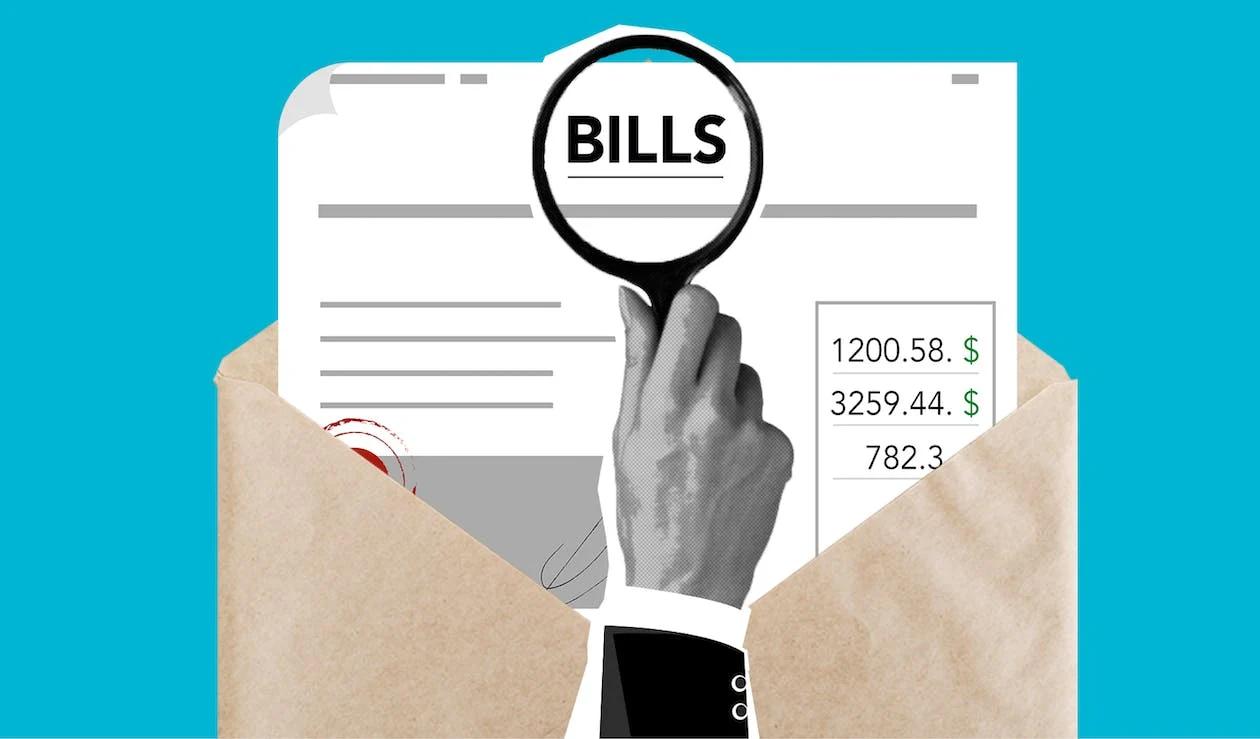
Collection issues rarely involve only one account.
Many people face several different obligations at the same time, including:
- Credit card balances
- Medical bills
- Personal loans
- Auto loan deficiencies
- Collection accounts
When several collection matters develop simultaneously, legal options may extend beyond resolving one individual account.
For some individuals, attorneys may evaluate broader debt relief solutions depending on the client’s financial circumstances.
That is one reason discussions about medical bill collections for debt relief frequently occur alongside other unsecured obligations rather than in isolation.
How Attorneys Evaluate Debt Collection Cases
Every debt collection matter presents a different set of facts. Before recommending a course of action, attorneys typically review the available records to determine what issues may affect the case. A careful review can help identify whether the debt appears valid, whether the amount claimed is supported by documentation, and whether legal procedures have been followed.
Areas that are often reviewed include:
- The identity of the current creditor or debt buyer
- Copies of account agreements
- Payment history
- Collection letters and notices
- Court filings, if a lawsuit has been filed
- Any prior settlement discussions
- Credit reporting related to the account
This review allows individuals to better understand the situation before deciding how to respond.
Responding to Collection Communications
Receiving a collection notice can be stressful, but acting thoughtfully is generally more productive than ignoring the issue.
Helpful steps may include:
- Reading every notice carefully.
- Keeping copies of all written communications.
- Organizing account statements and payment records.
- Avoiding assumptions about the amount claimed until documentation has been reviewed.
- Seeking legal guidance if collection efforts continue or legal action begins.
Good recordkeeping often becomes valuable if questions later arise regarding payments, balances, or communications.
Common Legal Questions in Debt Collection Matters

People dealing with collection activity often have many of the same concerns. While every case depends on its own facts, several questions arise regularly.
Is Every Collection Notice Accurate?
Not necessarily.
Collection notices are based on the information available to the collector, but records can contain mistakes. Account balances, payment histories, ownership information, or personal identifying details may require additional review.
Should Court Papers Be Ignored?
Generally, no.
Court deadlines are established by law. Responding appropriately allows the individual to participate in the legal process and present any available defenses or concerns.
Ignoring legal documents may reduce available options later in the case.
Can Collection Agencies Continue Contacting Consumers Indefinitely?
Collection activity is governed by applicable laws that establish rules regarding communications and consumer protections.
Understanding those rules may help individuals recognize when legal advice should be considered.
What If Someone Cannot Afford to Pay?
Financial hardship affects people for many different reasons.
Examples include:
- Unexpected medical treatment
- Job loss
- Reduced household income
- Divorce
- Business setbacks
- Rising living expenses
When repayment becomes difficult, attorneys may discuss the legal options available based on the person’s complete financial situation rather than focusing on a single account.
When Bankruptcy May Become Part of the Discussion
Not every collection matter results in bankruptcy, and bankruptcy is not appropriate for everyone.
However, when collection accounts involve multiple creditors or significant unsecured debt, a bankruptcy lawyer may evaluate whether bankruptcy should be considered as one possible legal option.
Factors commonly reviewed include:
- Total unsecured debt
- Monthly income
- Monthly expenses
- Existing assets
- Pending collection actions
- Overall financial obligations
The purpose of this review is to determine whether bankruptcy or another approach may better address the person’s circumstances.
Could Today Be the Right Time to Take the First Step?

Waiting often allows uncertainty to continue, while understanding legal rights can bring greater confidence when responding to debt collection issues.
Whether someone is dealing with credit card balances, medical accounts, personal loans, or a debt collection lawsuit in Corpus Christi, obtaining reliable legal guidance may help them better understand the available options.
For individuals seeking guidance from a debt collection relief attorney in Texas, the Law Office of Joel Gonzalez offers thoughtful legal representation focused on debt-related matters.
As a debt relief law firm serving clients in Texas, the office helps clients evaluate their circumstances and determine an appropriate path based on their financial situation.
Those looking for experienced guidance from a bankruptcy lawyer are encouraged to contact the Law Office of Joel Gonzalez to schedule a consultation and learn more about the legal options that may be available.