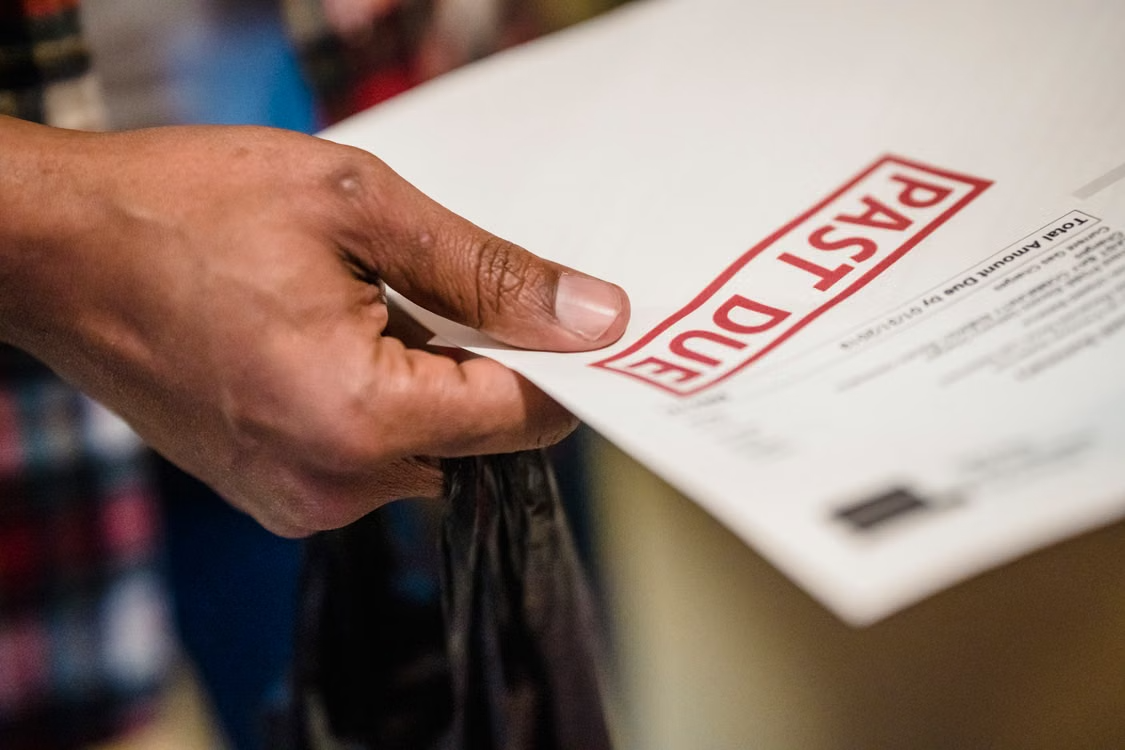

What if making every credit card payment on time still leaves you years away from becoming debt-free? Paying the minimum may keep accounts current, but it does not necessarily reduce outstanding balances at a meaningful pace.
In one example published by the Consumer Financial Protection Bureau, a $4,252 credit card balance could take 17 years and 9 months to repay through minimum payments, with $6,731 in interest.
Understanding why this happens can help you identify more effective debt relief options before financial pressure increases.
Why Minimum Payments Can Keep Debt Growing
Credit card minimum payments typically cover interest, fees, and a small portion of the principal balance. As a result, much of the money paid each month may go toward borrowing costs rather than reducing the original debt.
Several factors contribute to this problem:
- High interest rates:Interest charges can consume a significant portion of each payment, leaving less money to reduce the balance.
- Multiple outstanding accounts:Managing several credit cards and loans can make it difficult to direct extra payments toward the most expensive debts.
- Additional borrowing:Using available credit to cover everyday expenses can offset the progress made through monthly payments.
- Changing financial circumstances:Unexpected expenses, reduced income, or rising household costs can make larger payments difficult.
When Managing Due Dates Is No Longer Enough
Keeping track of payment deadlines is important, but it does not resolve the underlying debt. Missing a payment can result in late fees, additional interest, and credit history damage.
If you are regularly borrowing from one account to pay another, relying on minimum payments, or struggling to cover essential expenses, it may be time to consider a different approach.
What Debt Relief Options Can Help?
Depending on your circumstances, several approaches may provide a more manageable path forward.
- Debt repayment strategies:Paying more than the minimum and prioritizing high-interest balances can reduce borrowing costs.
- Debt settlement:Creditors may agree to accept less than the full amount owed. However, settlement can involve fees, credit consequences, and potential tax implications.
- Bankruptcy:Chapter 7 may eliminate certain qualifying debts, while Chapter 13 allows eligible individuals with regular income to repay debts through a court-approved plan, generally lasting three to five years. Some obligations cannot be discharged.
When Should You Seek Legal Guidance?

What happens when your payments are no longer keeping your finances under control? If you face a debt collection lawsuit in Corpus Christi, collection pressure, or tax levies, understanding your legal rights becomes especially important.
At the Law Office of Joel Gonzalez, we help individuals understand their available debt relief options. As a debt relief law firm, we provide legal guidance on bankruptcy and related debt concerns. Whether you need a debt collection relief attorney or are seeking relief from tax levies in Corpus Christi, we can help you assess your circumstances.
Contact the Law Office of Joel Gonzalez to discuss your situation and learn whether bankruptcy or another form of debt relief service may help you address outstanding obligations.