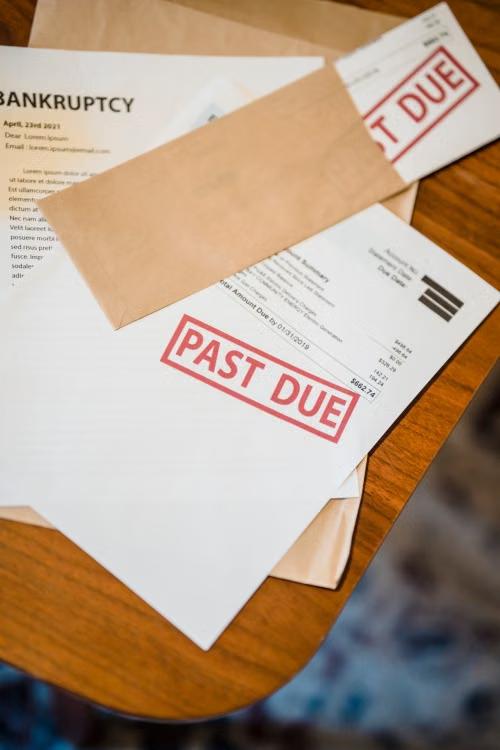

A phone rings during dinner. Another call comes in before work. Then a voicemail arrives about an “urgent matter” involving unpaid debt. For many people, repeated collection calls become part of daily life long before they understand what rights they actually have.
Consumer debt remains a major issue across the United States. Household debt continues to sit at historically high levels, leaving many consumers dealing with collection agencies, lawsuits, and mounting pressure from creditors. People often respond emotionally, ignore the calls completely, or make rushed agreements they cannot realistically maintain. Those reactions can create bigger legal and financial problems later.
The Law Office of Joel Gonzalez helps individuals facing serious debt problems understand legal options that may help stop debt collectors and regain control over difficult financial situations. Knowing how to respond properly, what records to keep, and when legal protection may be necessary can make a significant difference.
This article explains how debt collectors operate, what consumers should and should not say, how to document repeated contact, and what legal responses may help reduce collection pressure.
Understanding Why Debt Collectors Continue Contacting Consumers
Debt collectors are hired or assigned to recover money tied to unpaid accounts. These accounts may involve:
- Credit cards
- Medical bills
- Personal loans
- Auto deficiencies
- Older charged-off accounts
- Collection agency purchases of defaulted debt
Repeated contact often happens because collectors are trying to secure payment before pursuing additional collection activity. In some cases, consumers may receive calls from multiple agencies regarding the same debt after the account changes hands.
Collectors may contact consumers through:
- Phone calls
- Letters
- Emails
- Text messages
- Voicemails
- Court filings
Not every collection effort violates the law. However, repeated communication can become stressful, especially when consumers are uncertain about their rights or worried about a possible debt collection lawsuit in Corpus Christi or elsewhere in Texas.
The First Step: Do Not Panic or React Emotionally
Many consumers make mistakes during the first few interactions with debt collectors. Fear, frustration, embarrassment, or anger can lead to statements that later complicate matters.
Common reactions include:
- Agreeing to payments that cannot realistically be made
- Giving bank account information immediately
- Ignoring every communication
- Arguing aggressively with collectors
- Admitting responsibility without reviewing records
- Sending partial payments without understanding consequences
A calmer and more organized response is usually more effective.
Consumers should remember:
- A collector calling repeatedly does not automatically mean a lawsuit has been filed.
- Collection agencies sometimes work with incomplete or inaccurate records.
- Debts may contain errors involving balances, ownership, or account history.
- Legal rightsexist under both federal and Texas law.
- Taking time to gather information before responding often prevents additional problems later.
Request Written Validation of the Debt
One of the most important early steps is requesting debt validation.
Under federal law, debt collectors generally must provide information about:
- The amount allegedly owed
- The creditor’s name
- The consumer’s rights regarding dispute procedures
Consumers should avoid relying only on phone conversations. Written records matter.
A debt validation request may help confirm:
- Whether the debt belongs to the consumer
- Whether the balance appears accurate
- Whether the collector has authority to collect
- Whether the account may already be too old for legal action
When making a request:
- Keep copies of all correspondence
- Use dated written communication
- Save delivery confirmations if mailed
- Maintain organized records
Good documentation becomes extremely important if disputes later arise.
Create a Detailed Collection Contact Log

People dealing with repeated collection activity often underestimate the importance of recordkeeping. Documentation can become valuable if harassment allegations, account disputes, or legal proceedings develop later.
A collection contact log should include:
| Information to Record | Why It Matters |
| Date and time of contact | Helps establish patterns |
| Name of collector or agency | Identifies who contacted the consumer |
| Phone number used | Assists with verification |
| Summary of conversation | Preserves details accurately |
| Threats or unusual statements | May support legal claims |
| Letters or emails received | Creates a paper trail |
Consumers should also save:
- Voicemails
- Text messages
- Envelopes
- Billing statements
- Settlement offers
- Payment receipts
Keeping organized records may strengthen a consumer’s position if legal assistance becomes necessary later.
Know the Difference Between Legitimate Collection Activity and Harassment
Not every unpleasant call qualifies as harassment. However, debt collectors are still subject to legal limits.
Conduct that may raise concerns includes:
- Repeated calls intended primarily to annoy
- Threats involving actions the collector cannot legally take
- Use of abusive language
- False claims about lawsuits or arrests
- Contacting consumers after receiving valid written cease requests in certain situations
- Discussing debts improperly with unrelated third parties
Consumers seeking to stop debt collection harassment should document incidents carefully rather than relying on memory alone.
Detailed records often matter more than emotional descriptions.
Never Ignore Court Papers
One of the most damaging mistakes consumers make is ignoring lawsuit paperwork.
Repeated collection calls sometimes lead to formal legal action. If a consumer receives:
- A citation
- Petition
- Summons
- Court notice
they should take it seriously immediately.
Ignoring a debt collection lawsuit in Corpus Christi or another Texas court can result in:
- Default judgments
- Additional court costs
- Increased collection pressure
- Difficulty resolving the matter later
Consumers should verify deadlines carefully and seek legal guidance promptly when court documents arrive.
Be Careful About Making Partial Payments
Some consumers attempt to stop collection calls by sending small payments even when they cannot realistically resolve the account.
That approach may create unintended consequences.
Before making payments, consumers should understand:
- Whether the debt amount is accurate
- Whether settlement terms are in writing
- Whether the payment creates new obligations
- Whether the account may already be old
- Whether bankruptcyor another debt relief option may provide better protection
Consumers often assume that “good faith” payments automatically improve the situation. In reality, partial payments without a clear agreement sometimes prolong collection activity rather than resolve it.
Ask Questions Before Sharing Financial Information
Collectors frequently request:
- Bank account numbers
- Debit card information
- Employment information
- Monthly income details
Consumers should avoid providing sensitive financial information impulsively.
Before sharing anything, important questions include:
- Is the debt verified?
- Is the collector legitimate?
- Is there written documentation?
- What are the payment terms?
- Is there a settlement agreement in writing?
- Could bankruptcy protection be a better option?
Providing direct access to bank accounts without proper review can create additional financial strain.
Understand the Risks of Verbal Agreements

Phone conversations often move quickly. Some consumers feel pressured into saying “yes” simply to end repeated calls.
Verbal promises can create confusion regarding:
- Payment amounts
- Due dates
- Settlement terms
- Interest calculations
- Future collection activity
Whenever possible, consumers should request written confirmation before agreeing to repayment arrangements.
Written agreements help reduce misunderstandings and preserve accurate records.
Do Not Assume Old Debts Automatically Disappear
Consumers sometimes believe that older accounts can simply be ignored forever.
That assumption can be risky.
Texas law contains time limits related to filing lawsuits over debt, but determining those timelines requires careful review of account history and other details. Additionally, collection attempts may still occur even when legal filing deadlines become disputed or limited.
Because debt age calculations can become complicated, consumers should avoid relying on informal advice from collectors or internet discussions alone.
A debt relief attorney in Corpus Christi may help review account history and determine what legal options exist.
Learn When to Stop Communicating by Phone
Some collection conversations become repetitive and unproductive.
Consumers generally benefit from moving communications into writing when:
- Calls become excessive
- Information seems inconsistent
- Harassment concerns arise
- The debt is disputed
- Multiple agencies become involved
Written communication creates documentation that phone calls often lack.
In many situations, keeping interactions professional and brief is more effective than lengthy emotional arguments.
Watch for Warning Signs of Collection Scams
Not every caller claiming to collect debt is legitimate.
Possible warning signs include:
- Demands for immediate gift card payments
- Threats of arrest within hours
- Refusal to provide written information
- Requests for unusual payment methods
- Aggressive pressure to keep conversations secret
- Claims that consumers cannot speak with attorneys
Consumers should verify agency information carefully before sending money or disclosing personal data.
When Debt Collectors Contact Family Members or Employers
Collectors may sometimes contact third parties while attempting to locate consumers. However, legal restrictions generally apply to what information may be disclosed.
Consumers should document situations involving:
- Repeated employer contact
- Disclosure of debt details to unrelated parties
- Public embarrassment tactics
- Misleading statements about legal matters
Improper third-party communication may raise significant legal concerns depending on the circumstances.
Review Credit Reports Regularly
Repeated collection activity sometimes reveals inaccurate reporting.
Consumers should periodically review credit reports for:
- Duplicate collection accounts
- Incorrect balances
- Accounts belonging to someone else
- Outdated information
- Re-aged debts
Keeping copies of disputed credit reporting records may support future correction efforts.
Accurate records also help consumers understand the full scope of their debt situation rather than focusing on only one collector at a time.
Consider Whether Debt Settlement Truly Solves the Problem

Some consumers pursue settlements with individual creditors while facing broader financial distress.
That approach may work in limited situations, but not always.
Important considerations include:
- Total debt load
- Income stability
- Number of creditors
- Pending lawsuits
- Interest accumulation
- Collection pressure from multiple agencies
A debt settlement lawyer in Corpus Christi may help consumers evaluate whether settlement discussions are realistic or whether broader debt relief options deserve consideration.
For individuals facing severe collection activity across several accounts, resolving one debt at a time may not fully address the underlying problem.
Bankruptcy May Stop Collection Activity in Many Situations
When debt becomes unmanageable, bankruptcy protection may provide relief from ongoing collection efforts.
Depending on the circumstances, bankruptcy can sometimes help:
- Stop collection calls
- Pause lawsuits
- Address unsecured debt
- Create structured repayment options
- Reduce ongoing creditor pressure
Many consumers delay learning about bankruptcy because they assume it represents failure or permanent damage. In reality, federal bankruptcy laws exist to provide legal relief for individuals facing significant debt burdens.
A debt collection relief attorney in Texas may help determine whether bankruptcy protection fits a consumer’s specific circumstances.
Why Documentation Matters So Much in Debt Cases
Strong documentation often changes the outcome of debt disputes.
Consumers who maintain organized records are generally in a stronger position to:
- Challenge inaccurate balances
- Verify payment history
- Respond to lawsuits
- Identify collection violations
- Review settlement offers
- Demonstrate communication patterns
Helpful records may include:
Financial Documents
- Bank statements
- Payment confirmations
- Credit card records
- Loan agreements
Collection Records
- Letters
- Emails
- Voicemails
- Screenshots
- Call logs
Legal Documents
- Court notices
- Settlement agreements
- Judgments
- Dispute letters
Without documentation, consumers may struggle to prove what occurred during lengthy collection disputes.
Avoid Common Mistakes That Increase Collection Problems
Ignoring Everything
Silence rarely makes debt disappear. Missing legal notices can create serious consequences.
Making Random Payments
Small payments without clear agreements may prolong collection activity.
Relying Only on Phone Conversations
Verbal discussions create misunderstandings and limited proof.
Sharing Too Much Financial Information
Collectors do not necessarily need direct access to bank accounts immediately.
Believing Every Threat
Some collectors exaggerate consequences to pressure consumers into fast payments.
Waiting Too Long for Legal Guidance
Early legal review may create more options than waiting until lawsuits escalate.
What Happens After Taking Control of the Situation?

What changes once someone finally responds strategically instead of emotionally?
In many cases, the situation becomes more manageable because the consumer gains organization, documentation, and a clearer understanding of legal options.
Repeated collection calls often feel less intimidating when people know how to preserve records, respond appropriately, and recognize when legal protections may apply.
The Law Office of Joel Gonzalez assists individuals dealing with serious debt problems, collection pressure, and potential legal action. As a debt collection relief attorney in Texas, Joel Gonzalez helps clients evaluate debt relief solutions that may help stop debt collectors and create a path toward greater financial stability.
Whether someone is facing ongoing collection calls, mounting unsecured debt, or concerns about a debt collection lawsuit in Corpus Christi, obtaining informed legal guidance can help clarify available options and reduce uncertainty.