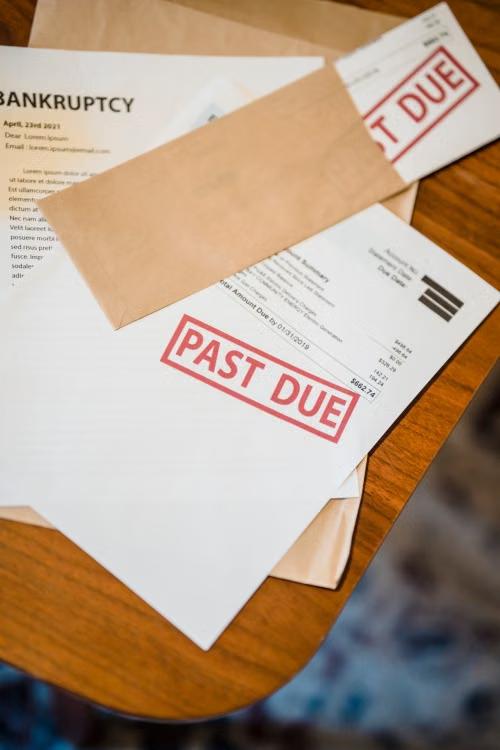

Have you ever opened a notice and realized a court case has already been filed over an unpaid bill? That moment often arrives faster than expected.
When a debt collection lawsuit is filed, the Law Office of Joel Gonzalez assists individuals in understanding their options and responding within legal timelines. The focus is on helping people take informed action when facing aggressive collection efforts or court notices.
This article explains how these lawsuits begin, what documents actually matter in court, and how timely response can influence the outcome.
How Debt Collection Lawsuits Begin
A debt collection lawsuit usually starts when an account is charged off and later sold or assigned to a collector. A medical debt collection agency or credit card buyer may then file a claim seeking repayment.
Common triggers include:
- Missed payments over an extended period
- Debt being transferred between companies
- Lack of response to earlier collection attempts
- Internal review leading to legal escalation
At this stage, many people first encounter formal debt collection lawsuits, often without expecting legal action.
What Happens After You Are Sued
Once a case is filed, a court summons is issued. This is not a final judgment. It is a request to respond.
Key steps usually include:
- Receiving the lawsuit papers
- Reviewing the alleged debt details
- Filing a written response within the deadline
- Preparing any supporting documents
Failing to respond can result in a default judgment, which gives the collector stronger enforcement options.
Documentation That Matters in Court
Not all claims presented by collectors are automatically valid. Courts rely heavily on evidence.
Important documents include:
- Original credit agreements
- Payment history records
- Proof of debt ownership or assignment
- Statements showing the balance calculation
Without proper documentation, some claims may be reduced or challenged.
Responding the Right Way
Quick action is often the difference between resolution and escalation. Ignoring notices rarely helps and can increase pressure.
Effective responses often involve:
- Verifying whether the debt is accurate
- Challenging incomplete documentation
- Filing timely answers to avoid default judgment
- Seeking legal guidance when needed
In many cases, people also look for ways to stop debt collectors from continuing repeated contact during the process or explore broader debt relief service options in Texas when multiple accounts are involved.
When Legal Support Becomes Important
Some situations require more structured defense, especially when collection activity continues or errors appear in the claim. A debt collection relief attorney in Texas can help review filings, identify inconsistencies, and respond in court appropriately.
The goal is not just to react, but to take steps that may reduce pressure from ongoing collection efforts and address stop debt collection harassment concerns within legal limits.
A Notice in Hand, What Comes Next?
What happens when a letter turns into a court case? That is where timing and response matter most.
If a debt collection lawsuit in Corpus Christi has reached your door, speaking with the Law Office of Joel Gonzalez can help clarify options and next steps.
The firm focuses on helping individuals respond properly to lawsuits, understand their rights, and work toward practical solutions under Texas law.