
Facing a foreclosure lawsuit can be a stressful and overwhelming experience for homeowners in Texas. Fortunately, most home foreclosures in the state are non-judicial, meaning that for standard purchase-money mortgages, lenders can often proceed without going to court. However, exceptions exist, including home equity loans, reverse mortgages, and certain tax lien situations. Understanding the foreclosure process and your legal options is critical to protecting your home and financial stability.
Acting quickly when served with a foreclosure lawsuit is essential. Delays can limit available defenses and increase the risk of losing your property. That’s where the guidance of an experienced attorney makes all the difference.
Understanding Foreclosure Laws in Texas
In Texas, most foreclosures follow a non-judicial process, allowing lenders to repossess or sell a property without filing a lawsuit in court. This is common for standard purchase-money mortgages, which most homeowners have. However, certain situations require judicial intervention, such as home equity loans, reverse mortgages, or property tax liens. Understanding these distinctions is crucial for homeowners facing a potential foreclosure.
Texas law provides significant protections for homeowners, particularly regarding equity in the home. Homeowners may retain most of their equity if the foreclosure follows the proper procedures, ensuring they are not unfairly stripped of their investment. The specifics of the mortgage contract and any notices of default play a critical role in determining legal rights and obligations. Lenders must comply with state-mandated timelines and provide proper notification before moving forward with a sale.
Engaging knowledgeable legal guidance early can make a significant difference. Repossession lawyers and debt relief professionals help homeowners understand their rights, review notices, and identify any errors or violations that could delay or challenge the foreclosure process. By familiarizing yourself with the legal framework, you can make informed decisions, protect your equity, and explore alternatives, such as repayment plans, loan modifications, or debt relief services, before taking more drastic measures like bankruptcy.
Steps to Take When Served with a Foreclosure Lawsuit
Review the Lawsuit Carefully
Facing a foreclosure lawsuit can feel overwhelming, but taking prompt and informed action is critical to protecting your home. The first step is to review the lawsuit carefully. Examine all documents for accuracy, including the names of the parties involved, property details, and critical deadlines. Errors or omissions in the paperwork can sometimes be leveraged to challenge or delay the foreclosure process, giving homeowners additional time to explore solutions.
Contact a Qualified Attorney
Next, contact a qualified attorney as soon as possible. An experienced repossession lawyer can guide you through the legal process, explain your rights, and help determine the most effective strategy. Immediate legal representation ensures that deadlines are met, documents are filed correctly, and your options remain open.
Evaluate Equity and Property Protections
It’s also important to evaluate your home equity and property protections. Under Texas law, most homeowners’ equity is exempt, though there are limits, such as the $160,375 threshold under 11 USC §522(q)(1). Discussing these exemptions with a professional from a debt relief law firm or exploring relief from tax levies can help you understand how much of your property is protected and inform your decisions.
Consider Alternative Solutions
Finally, consider alternative solutions before pursuing bankruptcy. Options such as loan modifications, structured repayment plans, short sales, or negotiated debt settlements can sometimes resolve the situation without court intervention. Consulting a debt settlement lawyer or utilizing a debt relief service helps you weigh the pros and cons of each approach and choose a solution tailored to your circumstances.
Bankruptcy as a Protective Tool
For many homeowners in Corpus Christi and across Southern Texas, filing for bankruptcy can serve as a critical protective measure against foreclosure. Both Chapter 7 and Chapter 13 bankruptcy can trigger an automatic stay, which temporarily halts creditor actions, including foreclosure proceedings. This pause provides breathing room to evaluate your options and develop a long-term plan to preserve your home.
Chapter 7 bankruptcy allows for the liquidation of non-exempt assets to satisfy debts, often resulting in the discharge of qualifying unsecured debts. While it offers a relatively quick resolution, homeowners behind on mortgage payments may still need to catch up through other means or risk losing secured property. In contrast, a Chapter 13 bankruptcy attorney guides homeowners through a structured repayment plan lasting three to five years. This option enables past-due mortgage amounts to be included in the plan, helping prevent foreclosure while gradually resolving financial obligations.
Filing requirements and timelines vary throughout the Southern District of Texas, which includes Corpus Christi, Houston, Victoria, McAllen, Laredo, and smaller surrounding towns. Understanding local procedures, documentation requirements, and deadlines is essential to ensure that the filing is valid and that protective measures are effective.
Working with a trusted bankruptcy lawyer ensures all forms are completed accurately and that deadlines are met. For homeowners exploring alternatives, bankruptcy may be a better approach if other debt relief solutions, such as loan modifications or settlements, are not feasible. Acting promptly with expert guidance can make the difference between preserving your home and facing foreclosure.
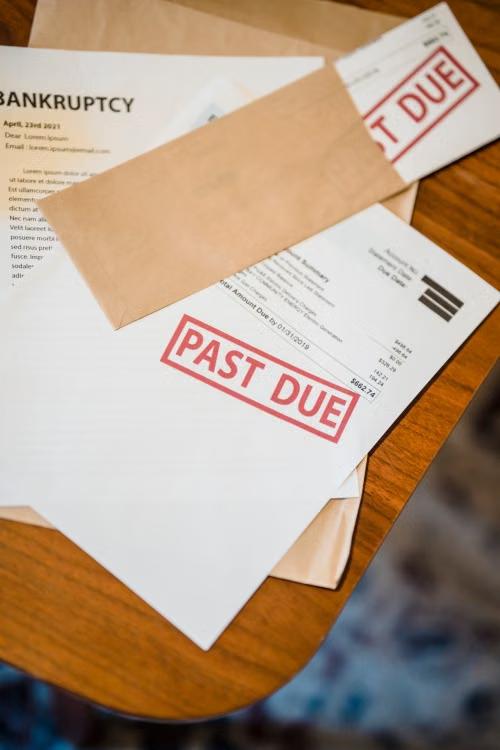
Image File Name: home-mortgage-documents
Alt Text: Stack of mortgage and financial documents on a table
Caption: Organizing mortgage statements and financial records for legal review.
Common Mistakes Homeowners Make
Facing a foreclosure lawsuit can be stressful, and many homeowners inadvertently make mistakes that jeopardize their rights. One common error is ignoring deadlines. Failing to respond to court notices or missing filing dates can result in default judgments, leaving homeowners with limited options to defend their property.
Another frequent mistake is attempting a DIY defense. While self-representation may seem cost-effective, the legal process is complex. Misunderstanding procedural requirements or failing to submit proper documentation can lead to unfavorable outcomes. Engaging a repossession attorney or experienced bankruptcy attorney ensures that responses are accurate, timely, and aligned with local court rules.
Homeowners also often misunderstand mortgage documents, including terms of default, interest calculations, and foreclosure clauses. Misreading these details can prevent effective negotiation or defense.
Additionally, many fail to consider exemption limits, which in Texas dictate how much equity in a home is protected under federal and state laws. Overlooking these protections may unnecessarily put property at risk. Christi helps homeowners navigate these pitfalls, clarify rights, and make informed decisions. Awareness and proactive guidance can prevent costly errors, protect equity, and create options to avoid foreclosure.
Preparing Your Documentation
When facing a foreclosure lawsuit, proper documentation is essential to protect your home and negotiate effectively. Start by collecting all relevant mortgage information, including current statements, payment history, and loan agreements. These documents provide a clear record of your obligations and any discrepancies that may exist in the lender’s filings.
Homeowners should also gather property insurance records, property tax statements, and any correspondence with the lender. Organizing this information allows a repossession lawyer or debt relief professional to assess your situation accurately and identify potential defenses.
For cases involving debt collection disputes, maintaining detailed records of notices, letters, and prior negotiations is crucial. These materials support your position during court proceedings or settlement discussions and demonstrate your proactive efforts to resolve the issue.

Properly organizing finances not only aids legal review but also helps when considering alternative solutions such as debt relief services, loan modifications, or repayment plans. Timely preparation ensures that nothing is overlooked and strengthens your negotiating position.
Working closely with an experienced debt collection lawsuit attorney helps homeowners avoid errors, present a strong case, and explore all options to prevent foreclosure. A well-prepared file increases the chances of a favorable outcome while giving peace of mind during a stressful process.
Court Proceedings and Negotiations
If a foreclosure lawsuit moves forward, understanding what to expect in court can reduce stress and help homeowners make informed decisions. Typically, the court reviews the lender’s claims, examines your documentation, and schedules hearings to ensure both parties have a chance to present their case.
In many situations, mediation or settlement discussions are encouraged before a full trial. These discussions allow homeowners to explore alternatives such as loan modifications, repayment plans, or short sales, often avoiding a lengthy and costly court process. A skilled attorney can guide clients through mediation, advocating for favorable terms while explaining potential risks and outcomes.
An experienced debt relief attorney plays a critical role during negotiations. They communicate directly with lenders, clarify legal protections, and ensure exemption limits are properly considered. Their expertise helps prevent errors that could result in loss of property or diminished equity.
Even if the case proceeds to trial, thorough preparation and proactive negotiations often provide leverage, allowing for reduced payments, delayed foreclosure, or alternative resolutions. Homeowners benefit from legal guidance that protects their home, financial interests, and peace of mind.
Maintaining organized documents, understanding your rights, and relying on knowledgeable counsel ensures you are well-prepared for both court proceedings and settlement discussions.

After Filing or Responding
Once you have filed a response to a foreclosure lawsuit or initiated bankruptcy proceedings, it is crucial to understand the timeline and what to expect next. Court actions, hearings, and trustee reviews typically follow a structured schedule. Keeping track of deadlines for filings, payments, or document submissions ensures your case remains on track.
Maintaining open communication with your bankruptcy attorney is essential. They can update you on upcoming hearings, potential settlement discussions, and any changes in creditor actions. Promptly providing requested documents or responding to inquiries strengthens your position and prevents delays.
Even after filing, you should monitor for new notices or claims from creditors. Bankruptcy filings or automatic stays temporarily halt most collection actions, but vigilance is necessary to address any exceptions or overlooked debts. Understanding how your actions affect foreclosure timelines and equity protections can make a significant difference in the outcome.
By staying proactive and coordinated with your attorney, you can navigate post-filing procedures effectively, protect your property, and minimize risks of additional legal complications.
Southern Texas-Specific Considerations
Homeowners in Southern Texas, including Corpus Christi, Houston, Victoria, McAllen, Laredo, and surrounding towns, face unique rules under Texas foreclosure law. Most purchase-money mortgages follow a non-judicial foreclosure process, meaning lenders can initiate foreclosure without filing a lawsuit. In contrast, exceptions such as home equity loans, reverse mortgages, or tax liens may require formal court action.
Understanding Texas-specific property protections is critical. Homeowners may qualify for equity exemptions that allow them to retain a portion of their property value even when facing foreclosure. Exemption limits, governed under federal and state law, must be considered when evaluating options to protect homes and secured property.
Working with experienced repossession lawyers ensures compliance with local rules and maximizes protections. They can advise on timing, filings, and strategies to prevent loss of equity. For residents served with a foreclosure lawsuit, having an attorney guide negotiations or defense efforts can make the difference between retaining property and losing it to creditors.
Tips for a Smooth Response Process
Responding to a foreclosure lawsuit requires careful planning and attention to detail. Acting promptly after being served ensures deadlines are met and legal rights are preserved. Keep detailed records of all mortgage statements, correspondence with lenders, and financial documents, as these are critical for both negotiations and court proceedings.
Regular communication with a qualified debt relief attorney helps you understand your options, whether pursuing a settlement, loan modification, or filing for bankruptcy. Avoid taking on new debt or missing mortgage payments during this time, as such actions can negatively impact your case and potential relief.
It is also important to weigh the long-term effects of each option. Filing for bankruptcy may provide temporary protection against foreclosure, while alternative solutions like debt settlement or repayment plans might preserve credit and equity in the property. Following your attorney’s guidance, staying organized, and understanding the consequences of each step can make the process smoother and increase the chances of retaining your home.

Protect Your Home: Take Action Against Foreclosure Lawsuits Today
Facing a foreclosure lawsuit in Texas can be overwhelming, but early action and informed legal guidance are essential to protecting your home and financial future. Understanding your rights, reviewing documentation carefully, and working with a knowledgeable attorney can help you navigate the process effectively, avoid common mistakes, and explore alternatives before foreclosure becomes unavoidable.
Joel Gonzalez, an experienced bankruptcy lawyer, specializes in guiding homeowners through foreclosure challenges while protecting equity. With personalized attention and a deep understanding of Southern Texas laws, he helps clients evaluate options such as bankruptcy, loan modifications, or settlements to secure the best possible outcome.
If you have received a foreclosure lawsuit in Corpus Christi or fear losing your home, contact the Law Office of Joel Gonzalez, an experienced foreclosure attorney, today for a free, confidential consultation.