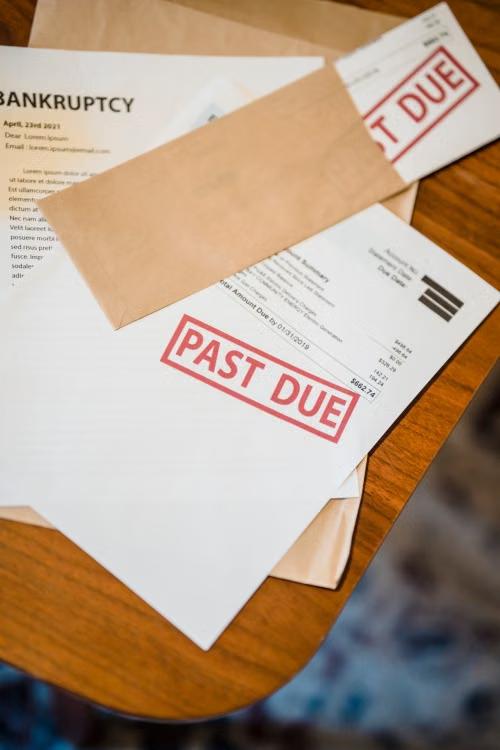

Financial hardship can happen to anyone. Job loss, medical bills, or unexpected expenses may leave you struggling to keep up with payments. For some individuals, debt settlement can provide a path toward financial relief without immediately turning to bankruptcy.
Understanding how it works and when it makes sense can help you make informed decisions about your future.
What Is Debt Settlement?
Debt settlement involves negotiating with creditors to reduce the total amount owed. Instead of paying the full balance, you may reach an agreement to pay a reduced lump sum or structured amount that satisfies the debt.
Working with a debt settlement lawyer can improve the likelihood of reaching favorable terms. Creditors are often more willing to negotiate when they understand that legal guidance is involved and that other options, such as bankruptcy, are being considered.
This approach is commonly used for unsecured debts like credit cards or certain medical bills handled by a medical debt collection agency.
The Advantages of Debt Settlement
There are several potential benefits to settlement:
- Reduced overall debt balance
- Faster resolution compared to long-term repayment plans
- Avoiding formal court proceedings
- Greater control over repayment timing
For individuals facing a pending debt collection lawsuit, a settlement may prevent further legal escalation. It can also provide relief for those seeking credit card debt relief who are entering bankruptcy court.
Additionally, some people prefer settlement because it is handled privately between the debtor and creditor, often outside of public filings.
The Potential Drawbacks
While settlement can be helpful, it is not always the best solution. Creditors are not required to agree to reduced amounts, and negotiations can take time. There may also be tax consequences on forgiven debt.
Importantly, if settlement negotiations fail, creditors may continue collection efforts or proceed with a foreclosure lawsuit if secured property is involved. That is why legal guidance from a debt relief attorney is critical before committing to any agreement.
Settlement also does not offer the automatic legal protections that bankruptcy provides.
When Bankruptcy May Be the Better Option
In some cases, bankruptcy may be a better approach if that is not an option. Filing through a bankruptcy attorney creates an automatic stay that immediately stops most collection actions.
For individuals with overwhelming debt, structured relief under Chapter 13 or discharge through Chapter 7 may provide broader protection than negotiation alone. Consulting a Chapter 7 bankruptcy attorney can help determine eligibility and whether full discharge is possible.
Those struggling with multiple lawsuits, high balances, or significant financial strain may benefit more from comprehensive relief rather than partial reduction.

Making the Right Decision
Choosing between settlement and bankruptcy depends on your income, total debt, asset protection concerns, and long-term goals. Seeking advice from a reputable debt relief law firm ensures you understand all available options before taking action.
If you are exploring debt settlement, careful planning and professional guidance can help you avoid costly mistakes and protect what matters most.
If you are considering your options, contact Joel Gonzalez, bankruptcy lawyer, today for a free consultation. Whether through negotiation or bankruptcy relief, you deserve a clear path toward financial stability.