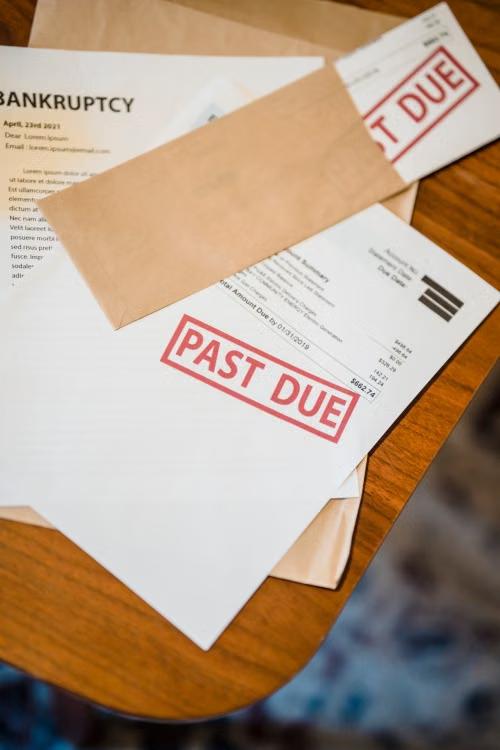

Debt collection can be stressful, especially when you feel your property or finances are at risk. If you are facing debt collection, it’s important to understand your legal rights and take actionable steps to safeguard your assets. In Texas, creditors must follow strict rules, and there are solutions available to help you regain control of your financial situation.
Understand Your Rights When Debt Collectors Call
The first step when facing debt collection is knowing what creditors can and cannot do. Under Texas law, debt collectors cannot harass you or make false claims. They must provide written notices of debt and follow proper legal procedures if they intend to pursue a debt collection lawsuit.
Keeping records of all communications, including letters, emails, and phone calls, is crucial. These records can support your case if a creditor takes improper actions or if you need assistance from a debt relief law firm.
Review Your Assets and Exemptions
Not all of your property is at risk. Texas law provides exemptions to protect certain assets, including your home, vehicles, and retirement accounts. If creditors attempt a foreclosure lawsuit or repossession, a repossession lawyer can help ensure you retain what you are legally allowed to keep.
For individuals considering long-term relief, consulting with experienced bankruptcy lawyers can clarify which debts can be discharged and how to protect your essential property. Filing for Chapter 7 or Chapter 13 may prevent foreclosure or repossession while managing your debts.
Communicate and Negotiate Carefully
When approached by a creditor, it’s often beneficial to respond promptly but carefully. Negotiation options may include payment plans, debt settlement, or other debt relief service strategies. A debt relief attorney can guide these discussions, ensuring you do not inadvertently waive your legal protections.
Avoid making promises you cannot keep, and do not provide personal financial information over the phone unless verified. These precautions can prevent aggressive collections or unnecessary legal actions, such as credit card debt relief.
Consider Bankruptcy as a Protective Tool
If negotiations or settlements are not viable, bankruptcy may be a better approach if that is not an option. Filing with a bankruptcy lawyer can provide immediate relief from creditor harassment, stop ongoing collections, and allow for structured repayment plans under Chapter 13 or complete debt discharge under Chapter 7.
Bankruptcy can also help stop repossession of vehicles, or repossession lawyers in Texas can assist with protecting property while proceedings are underway. It’s an effective option for those overwhelmed with medical debt collection agency claims, credit card obligations, or other significant debts.

Take Action Early
Delaying action can increase stress and financial risk. Protecting your assets requires prompt attention, organized records, and informed decisions. Whether through negotiation or filing with a Chapter 7 or Chapter 13 bankruptcy attorney, there are solutions available.
If you are facing debt collection, don’t wait. Contact Joel Gonzalez for a bankruptcy lawyer in Corpus Christi today and get a free consultation. Protect your property, stop debt collectors, and take the first step toward financial relief.