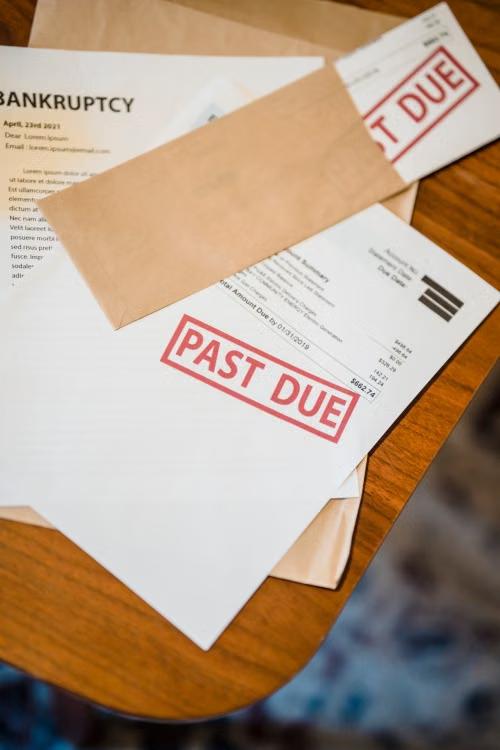

Debt problems rarely start with a lawsuit. For most people, they begin quietly with missed payments, mounting interest, and collection calls that never seem to stop. Over time, those problems can escalate into formal legal action. When that happens, it is critical to understand how debt collection lawsuits work in Texas, what rights you have, and what legal options are available.
In this guide, we explain how debt collection lawsuits operate under Texas law, the tactics creditors and collection agencies commonly use, the defenses that may be available, and how bankruptcy or other debt relief strategies may help. We also explain when a lawsuit is required and when it is not, especially in situations involving foreclosure, repossession, tax debt, or credit cards.
We write this from the perspective of a Texas-based practice that focuses on debt relief and bankruptcy. While every situation is different, understanding the legal framework can help you make informed decisions before mistakes become costly.
What Is a Debt Collection Lawsuit in Texas?
A debt collection lawsuit is a civil case filed by a creditor or a debt buyer seeking a court judgment for an unpaid debt. These cases are usually filed in justice court, county court, or district court, depending on the amount claimed.
In Texas, a lawsuit typically alleges that:
- A valid debt exists
- The defendant is responsible for that debt
- The debt is in default
- A specific amount is owed, including interest, fees, and sometimes attorney’s fees
If the creditor proves its case and the defendant does not successfully defend it, the court may enter a judgment. That judgment can allow certain collection actions under Texas law, such as bank account levies or property liens, depending on the circumstances.
Not every debt leads to a lawsuit. Many accounts are settled, written off, or sold to third-party collectors. But when litigation is chosen, the process moves quickly, and deadlines matter.
Common Types of Debt That Lead to Lawsuits
Debt collection lawsuits most often arise from unsecured consumer debts, but secured debts and government-related obligations can also trigger legal action.
Credit Card Debt Lawsuits
Credit card companies and debt buyers frequently file suit when balances remain unpaid for long periods. These cases often involve issues of proof, ownership of the debt, and the accuracy of the balance claimed.
Credit card lawsuits may be brought by:
- The original credit card issuer
- A collection agency acting on behalf of the issuer
- A debt buyer that purchased the account for pennies on the dollar
A proper credit card lawsuit defense often focuses on whether the plaintiff can actually prove the debt, show a valid contract, and establish standing to sue.
Medical Debt and Collection Actions
Medical bill collections for debt relief are a growing concern, particularly after emergency treatment or extended hospital stays. Medical debt is frequently sold to collection agencies, increasing the likelihood of a lawsuit years after treatment.
Medical debt cases often involve billing errors, insurance disputes, or incomplete documentation. These issues may form the basis of a defense if properly raised.
Tax-Related Debt and Government Claims
Tax debt follows different rules than consumer debt. Government agencies have broader collection powers, and relief from tax levies in Corpus Christi or elsewhere in Texas often requires careful legal analysis. While lawsuits are not always necessary for tax collection, court involvement can occur in certain disputes.
Auto Loans and Repossession-Related Claims
When a vehicle is repossessed, the debt does not always end there. If the car is sold for less than the loan balance, the lender may pursue a deficiency claim. These claims sometimes result in lawsuits, particularly when the borrower disputes the amount owed or the sale process.
Working with a repossession lawyer may help determine whether the lender followed the law and whether defenses exist.
When a Lawsuit Is Not Required: Understanding Texas Foreclosure Law

One area that often causes confusion is foreclosure. In Texas, most home foreclosures do not require a lawsuit. Texas is primarily a non-judicial foreclosure state.
For standard purchase-money mortgages, lenders may foreclose without going to court if the deed of trust includes a power of sale clause. This means the process happens outside the courtroom, following strict notice and timing requirements.
A foreclosure lawsuit in Texas is generally required only in specific situations, including:
- Home equity loans
- Property tax lien transfers
- Reverse mortgages
Understanding whether a foreclosure lawsuit is required depends on the type of loan involved. Mistaking a non-judicial foreclosure for a lawsuit can cause homeowners to miss critical deadlines.
The Debt Collection Lawsuit Process Step by Step
Knowing what to expect can reduce anxiety and help you avoid costly mistakes.
Step 1: Filing of the Petition
The lawsuit begins when the creditor files a petition outlining the claim. This document lists the parties, the amount sought, and the legal basis for the claim.
Step 2: Service of Process
You must be properly served with the lawsuit. Service usually occurs through a process server or constable. Improper service can be a valid defense, but it must be raised correctly.
Step 3: Deadline to Respond
Texas courts impose strict deadlines for filing an answer. Missing this deadline can result in a default judgment, even if the debt is disputed.
Step 4: Discovery and Evidence
If the case proceeds, both sides may exchange evidence. In many consumer cases, the creditor’s documentation is incomplete or flawed, which can be critical to a defense.
Step 5: Trial or Resolution
Some cases go to trial, while others are resolved through settlement or dismissal. The outcome depends on the evidence, legal arguments, and procedural compliance.
Your Rights Under Texas and Federal Law
Consumers facing a debt collection lawsuit have important rights under both state and federal law.
Protection From Harassment
The Fair Debt Collection Practices Act prohibits abusive, deceptive, or unfair collection practices. Violations may provide leverage in defending a lawsuit or negotiating a resolution.
Right to Demand Proof
Collectors must be able to prove:
- The existence of the debt
- The amount owed
- Their legal right to collect
Many cases fail because the plaintiff cannot meet this burden.
Statute of Limitations on Debt in Texas
In most consumer debt cases, Texas applies a four-year statute of limitations. This period generally runs from the charge-off date, not necessarily the last payment made.
If a lawsuit is filed after the limitations period has expired, the case may be subject to dismissal. However, this defense must be raised properly, or it may be waived.
Common Creditor Tactics in Lawsuits

Understanding creditor strategies can help you respond effectively.
Bulk Filing and Default Judgments
Many collection firms file large numbers of cases expecting defendants not to respond. When no answer is filed, the creditor often obtains a default judgment with minimal evidence.
Inflated Balances and Fees
Some lawsuits include interest or fees that are not authorized by the original contract or Texas law. Challenging these amounts can reduce or eliminate liability.
Incomplete Documentation
Debt buyers often lack original contracts, payment histories, or proper assignment records. These gaps can undermine the plaintiff’s case.
Legal Defenses to Debt Collection Lawsuits
Every case is different, but common defenses include:
- Lack of standing
- Expired statute of limitations
- Improper service
- Incorrect balance calculations
- Failure to prove contract terms
A debt collection relief attorney can evaluate which defenses apply and how to assert them effectively.
Settlement vs. Litigation: Choosing the Right Strategy
Not every lawsuit should be fought through trial. In some cases, settlement may be a practical option, especially when liability is clear and resources are limited.
A debt settlement lawyer may help negotiate terms that reduce the overall burden while avoiding further legal exposure.
When Bankruptcy Becomes Part of the Conversation
Sometimes defending individual lawsuits is not enough. When multiple debts, collection actions, or financial pressures converge, bankruptcy may be a better approach if other options are not viable.
Chapter 7 Bankruptcy
Chapter 7 bankruptcy may eliminate many unsecured debts, including credit card and medical debt, providing a fresh start for eligible filers.
Chapter 13 Bankruptcy
Chapter 13 bankruptcy allows individuals with regular income to reorganize debts through a court-approved repayment plan.
Current debt limits for Chapter 13 are:
- $526,700 for unsecured debts
- $1,580,125 for secured debts
These limits apply after the expiration of temporary higher thresholds.
Working with a chapter 7 bankruptcy attorney or chapter 13 bankruptcy attorney can help determine eligibility and strategy.
Bankruptcy and Ongoing Lawsuits

When a bankruptcy case is filed, federal law immediately imposes what is known as the automatic stay. The automatic stay is a powerful legal protection that stops most collection activity, including active debt collection lawsuits, pending judgments, and further court hearings. Creditors must cease their legal efforts as soon as they receive notice of the filing.
This pause can provide immediate relief for individuals who are facing multiple lawsuits at the same time. Instead of responding to different courts, deadlines, and collection attorneys, bankruptcy places all eligible debts into a single federal proceeding. Lawsuits related to credit cards, medical bills, personal loans, and many deficiency claims must stop while the bankruptcy case is pending.
For many clients, this ability to stop multiple lawsuits at once is one of the most significant benefits of working with a bankruptcy attorney. Bankruptcy can also prevent new lawsuits from being filed during the case, offering breathing room to reorganize finances or discharge qualifying debts.
It is important to understand that not every legal matter is stopped by bankruptcy, and timing matters. Filing too late, after a judgment has already been enforced, can limit available options. A careful review of pending cases helps determine whether bankruptcy protection will provide the relief you are seeking.
Geographic Scope of Practice in Texas
Texas is a large state, and bankruptcy cases are filed in federal districts. We primarily practice in the Southern District of Texas, which includes Houston, Victoria, Corpus Christi, McAllen, Laredo, and surrounding communities.
Understanding local court procedures and trustee expectations can make a meaningful difference in case outcomes.
Choosing the Right Debt Relief Law Firm

Not all firms handle debt matters the same way, and those differences can have a real impact on your experience and outcome. When evaluating a debt relief law firm, it is important to understand who will actually be responsible for your case from start to finish.
Some practices operate on a high-volume model, where much of the work is delegated to non-attorney staff and client contact may be limited. Other practices emphasize direct attorney involvement, ensuring that legal strategy, court filings, and case decisions are handled personally by the lawyer you hire.
Knowing how a firm operates helps set realistic expectations about communication, responsiveness, and case oversight. Debt relief decisions often carry long-term financial consequences, making it essential to work with a firm that takes the time to understand your situation rather than applying a one-size-fits-all approach.
How Debt Relief Services Fit Into the Bigger Picture
debt relief service may include a range of strategies, from lawsuit defense to negotiated settlements and bankruptcy filings.
The right approach depends on:
- The type and age of the debt
- Whether a lawsuit has already been filed
- Income stability and asset protection goals
A careful review is essential before committing to any plan.
Take Control of Your Debt Situation Today
If you are facing a debt collection lawsuit or struggling with overwhelming debt, now is the time to get reliable legal guidance. At the Law Office Of Joel Gonzalez, we focus on helping individuals understand their rights and explore realistic solutions under Texas law.
As a dedicated debt relief attorney, Joel Gonzalez provides direct, personalized representation. We do not pass your case to a team of lawyers or outside handlers. Every strategy is tailored to your specific situation, whether that involves defending a lawsuit, exploring credit card debt relief in Corpus Christi, or determining whether filing for bankruptcy relief in TX makes sense.
Our practice has built a track record of high client satisfaction by being honest, thorough, and responsive. If you are considering working with a bankruptcy lawyer, a debt relief law firm, or need guidance from bankruptcy lawyers who understand the local courts, we encourage you to reach out.
Contact the Law Office of Joel Gonzalez to schedule a confidential consultation. Together, we can review your options, explain the risks and benefits, and help you decide the best path forward toward financial stability.