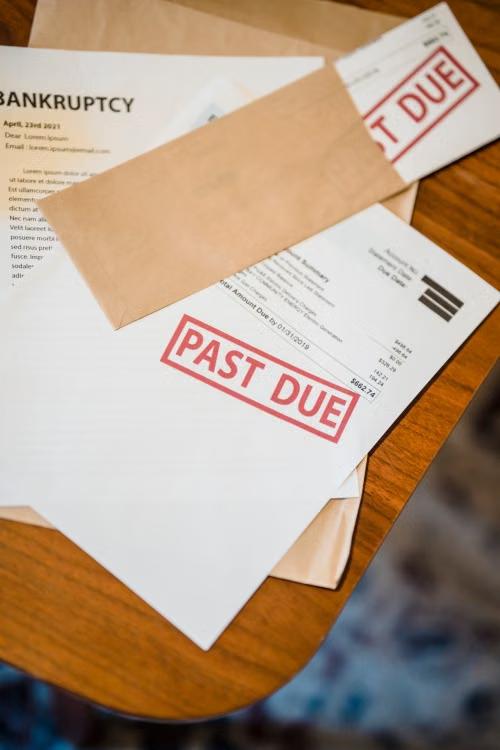

Financial strain rarely begins all at once. For many households, debt builds gradually through credit cards, medical bills, tax obligations, or unexpected disruptions to income. Over time, monthly payments become harder to manage, collection calls increase, and legal threats begin to feel overwhelming. When this happens, understanding available debt relief options becomes critical.
For individuals seeking debt relief service, knowing how each legal and non-legal solution works, and when it applies, can help prevent costly mistakes. Texas law offers specific protections and limitations that shape how debt relief strategies function, and not every solution fits every financial situation.
This guide explains the primary debt relief options available in Corpus Christi and throughout Texas, including bankruptcy, debt settlement, credit card lawsuit defense, repossession matters, tax levy relief, and protection from aggressive debt collection practices. It is designed to help readers understand how these tools work, what problems they address, and when professional legal guidance may be appropriate.
Understanding Debt Relief in Texas
Debt relief is not a single process. It refers to a range of legal and financial strategies intended to reduce, manage, or eliminate unmanageable debt. In Texas, these options are shaped by both federal law and state-specific rules that differ from those in many other states.
A debt relief law firm typically evaluates:
- The type of debt involved
- Whether collection efforts are ongoing
- Whether legal action has already been filed
- The consumer’s income, assets, and long-term goals
Some strategies aim to resolve individual debts, while others address overall financial instability. Understanding these distinctions helps individuals choose a path that fits their circumstances.

Common Types of Debt Faced by Corpus Christi Residents
Many debt issues fall into recurring categories, each with different relief options.
Credit Card Debt
Credit card balances often grow quickly due to high interest rates. When accounts fall behind, creditors may escalate collection efforts or pursue legal action. Credit card debt relief may involve settlement, lawsuit defense, or bankruptcy depending on the balance and financial picture.
Medical Bills
Medical debt frequently arises without warning. Collection by a medical debt collection agency can involve repeated contact and pressure to pay disputed or inaccurate amounts. Texas and federal law restrict improper conduct, and legal relief may apply when boundaries are crossed.
Tax Obligations
Unpaid taxes can lead to liens or levies. Relief from tax levies often requires careful coordination with federal or state authorities to prevent further enforcement while resolving the underlying obligation.
Vehicle-Related Debt
Auto loans can lead to repossession if payments fall behind. A repossession lawyer or attorney may assist in evaluating rights, negotiating solutions, or determining whether broader debt relief is needed.
Filename: A-meeting
Alt text: Several people in business attire sit at a table reviewing and signing documents during a meeting.
Caption: A debt collection lawsuit should never be ignored, as timely legal review can significantly affect the outcome.
Debt Settlement as a Negotiation-Based Debt Relief Option
Debt settlement is a debt relief approach that focuses on negotiating directly with creditors to resolve outstanding balances for less than the total amount claimed. Rather than eliminating debt through a court process, settlement attempts to reach a voluntary agreement that closes the account under specific terms.
While this option can be effective in limited circumstances, it is not suitable for every financial situation.
How Debt Settlement Works
Debt settlement typically involves offering a reduced lump-sum payment in exchange for the creditor agreeing to consider the account resolved. These negotiations may occur before or after an account is sent to collections, depending on the creditor’s policies and the age of the debt.
Agreements must be carefully documented to ensure the creditor waives any remaining balance and reports the account accurately.
Situations Where Debt Settlement May Be Appropriate
Debt settlement may be considered when:
- The debt is unsecured, such as credit card or medical debt
- The consumer has access to lump-sum funds or short-term liquidity
- The creditor is willing to negotiate rather than pursue continued collection
In these situations, settlement may provide a path to resolving individual debts without broader legal proceedings.
Limitations and Risks of Debt Settlement
Settlement is not always effective when multiple creditors are involved or when balances are high. Creditors are not required to negotiate, and some may continue collection efforts or pursue legal action during negotiations.
Additionally, improperly structured agreements can lead to tax consequences or disputes about whether the debt was truly resolved.
When settlement is not viable, bankruptcy may be a better approach.

Responding to Debt Collection Lawsuits in Texas
Being served with a lawsuit is often one of the most stressful moments for individuals facing financial hardship. A debt collection lawsuit typically involves claims related to unpaid credit card balances, medical accounts, or debts that have been sold to third-party collection agencies. These lawsuits are formal legal proceedings, and they should never be ignored.
Failing to respond to a lawsuit can result in a default judgment, which allows the creditor to proceed without opposition. Once a judgment is entered, resolving the matter becomes significantly more difficult. For this reason, timely legal review is essential.
A debt collection relief attorney evaluates the lawsuit carefully to determine whether the claim complies with Texas and federal law and whether valid defenses exist. Legal response may involve several key areas of analysis.
Challenging Improper or Incomplete Documentation
Many debt collection cases rely on records that are incomplete, inaccurate, or improperly prepared. Legal defense may examine:
- Whether the creditor can produce reliable account statements
- Whether documentation supports the amount being claimed
- Whether records clearly show how the balance was calculated
- Whether the evidence meets Texas court requirements
If documentation is lacking, the claim may be subject to dismissal or reduction.
Verifying Debt Ownership and Standing
When debts are sold or transferred, the party filing suit must prove it has the legal right to collect. This often involves:
- Reviewing assignment records showing transfer of the account
- Confirming that the plaintiff actually owns the debt
- Identifying gaps in the chain of ownership
- Challenging claims made by debt buyers without proper proof
Ownership issues are common in debt collection lawsuit cases involving purchased debt portfolios.
Identifying Statute-of-Limitations Issues
Texas law limits how long creditors can sue on most consumer debts. In many cases, the statute of limitations is four years from the charge-off date. Legal review may involve:
- Determining when the debt became delinquent
- Identifying whether the limitations period has expired
- Evaluating whether improper collection occurred on time-barred debt
Attempting to collect through litigation after the deadline may violate consumer protection laws.
Addressing Inaccurate or Inflated Balances
Some lawsuits seek amounts that do not reflect the true debt owed. Defense may involve:
- Reviewing added interest, fees, or penalties
- Identifying charges not authorized by contract or law
- Challenging balances that exceed original account records
Correcting inaccuracies can significantly affect the outcome of the case.
Evaluating Resolution or Dismissal Options
Not every lawsuit proceeds to trial. Depending on the circumstances, a debt collection relief attorney may assess whether the matter can be:
- Challenged through formal court response
- Negotiated for resolution under defined terms
- Dismissed due to procedural or evidentiary issues
Each approach depends on the specific facts of the case and applicable Texas law.
Protection From Harassing Collection Practices
Many consumers seek help because they want to stop debt collectors from excessive or abusive conduct. Laws such as the Fair Debt Collection Practices Act and the Texas Debt Collection Act regulate how collectors communicate.
Legal intervention may be appropriate when collectors:
- Make repeated or intimidating contact
- Misrepresent legal consequences
- Attempt to collect invalid debts
- Continue contact after written requests to stop
An attorney can take formal steps to stop debt collection harassment, document violations, and pursue relief when appropriate.
Repossession Concerns and Legal Guidance
Vehicle repossession often signals deeper financial distress. Repossession lawyers in Texas assist consumers in understanding:
- Whether repossession complied with legal requirements
- Options to recover or replace transportation
- Whether related deficiencies can be challenged
In some cases, repossession issues are part of a broader debt picture requiring structured relief rather than isolated action.

Bankruptcy as a Structured Debt Relief Tool
Bankruptcy is a federal legal process designed to provide a fresh financial start when debt becomes unmanageable. For many consumers, it is the most effective way to stop collection activity and resolve multiple debts at once.
Chapter 7 Bankruptcy
Chapter 7 focuses on eliminating unsecured debt such as credit cards and medical bills. A chapter 7 bankruptcy attorney evaluates income eligibility and asset protection under Texas exemptions.
Chapter 13 Bankruptcy
Chapter 13 allows individuals with regular income to restructure debt through a court-approved repayment plan. Current debt limits apply, including approximately $526,700 in unsecured debt and $1,580,125 in secured debt. A chapter 13 bankruptcy attorney helps determine whether this option fits long-term goals.
Consumers working with a bankruptcy attorney or lawyer receive guidance tailored to Texas law and local court practices.
Filing for Bankruptcy Relief in Texas
Choosing to file for bankruptcy relief is not a decision taken lightly. The process involves:
- Full financial disclosure
- Credit counseling requirements
- Court oversight
However, bankruptcy also provides powerful protections, including the automatic stay, which halts most collection efforts immediately.
Corpus Christi bankruptcy lawyers practicing in the Southern District of Texas understand how local procedures affect outcomes and timing.
Addressing Tax-Related Debt Challenges
Tax obligations require specialized attention. Relief from tax levies may involve negotiating payment arrangements or incorporating tax debt into bankruptcy when allowed. Proper legal analysis ensures compliance while protecting financial stability.
Misconceptions About Debt Relief
Many individuals delay seeking help due to misunderstandings.
- Owing debt does not eliminate legal protections
- Not every collector claim is accurate
- Paying without verification can create new problems
- Legal relief is not limited to extreme situations
Understanding these principles allows consumers to make informed decisions.

Long-Term Financial Stability After Debt Relief
Debt relief is most effective when paired with informed planning. Strategies include:
- Monitoring credit reports
- Responding carefully to new collection attempts
- Seeking guidance before signing repayment agreements
- Addressing recurring debt patterns
A comprehensive debt relief service approach considers both immediate relief and long-term stability.
Choosing the Right Legal Guidance in Corpus Christi
Debt relief law is highly technical, and outcomes depend on accurate evaluation. A qualified debt relief attorney helps determine:
- Which options apply
- Which risks to avoid
- How Texas law affects strategy
Professional guidance can prevent costly missteps and reduce stress during an already difficult time.
Legal Support Focused on Individual Needs
Joel Gonzalez is an individual attorney practicing in Texas and serving clients throughout the Southern District, including Corpus Christi and surrounding communities. His practice focuses on bankruptcy and consumer debt relief, including credit card matters, medical debt issues, repossession concerns, and protection from improper collection practices.
With a track record of high client satisfaction, the Law Office of Joel Gonzalez provides clear, structured guidance to individuals seeking meaningful debt relief under Texas law and the U.S. Bankruptcy Code. For those exploring options with a bankruptcy lawyer or a focused debt relief law firm, informed legal guidance can make the difference between ongoing stress and a genuine financial reset.
For individuals facing mounting debt and uncertainty, learning which options apply is the first step toward regaining control and peace of mind. Contact him to discuss debt relief and bankruptcy solutions.