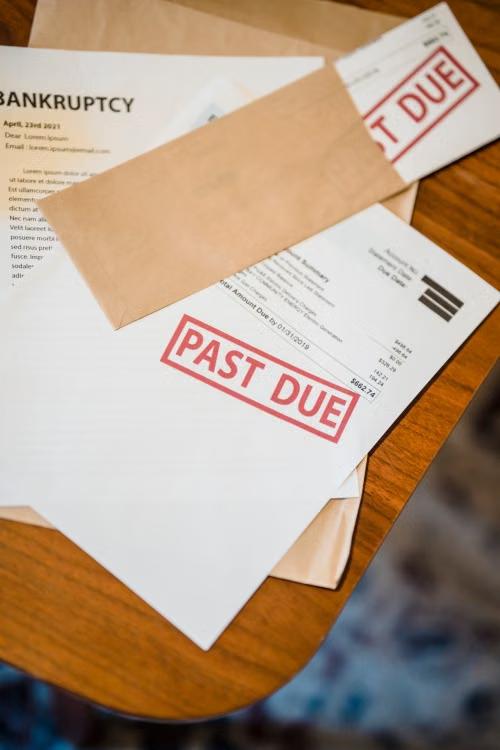

Many Texans are reaching a point where traditional repayment strategies no longer work. With rising interest rates, increasing consumer debt, and more aggressive collection activity, bankruptcy has become a practical and legally protected tool for individuals seeking relief. Bankruptcy filings have begun to rise again nationwide as households struggle with sustained financial strain. For clients across the Southern District of Texas—including Corpus Christi, Houston, Victoria, McAllen, and Laredo—the need to understand bankruptcy options is more important than ever.
When Bankruptcy Becomes Necessary
Bankruptcy is not always the first solution for financial hardship. Many individuals explore settlements, payment plans, or negotiation before turning to federal protection. However, for Texans dealing with overwhelming credit card debt, medical bills, deficiency lawsuits, or the risk of repossession, bankruptcy may be a better approach if those alternatives are no longer viable. The key is understanding which chapter fits the individual’s circumstances.

Chapter 7 Bankruptcy: A Fresh Start
Chapter 7, often called “liquidation bankruptcy,” eliminates most unsecured debts, including credit cards, medical bills, and certain personal loans. People with little disposable income or facing action from a debt collector often qualify for this chapter. Chapter 7 works quickly—usually completing within a few months—and provides a true fresh start by discharging eligible debts. In Texas, generous exemption laws often allow debtors to keep their home, vehicle, and personal property.
Chapter 13 Bankruptcy: A Court-Approved Repayment Plan
Chapter 13 bankruptcy functions differently. Instead of eliminating debt outright, it restructures obligations into a manageable three- to five-year repayment plan. Individuals struggling with foreclosure, vehicle arrears, or tax debt—such as those experiencing repossession issues—often benefit from Chapter 13 because it allows them to catch up over time. This chapter also provides protection against collection actions throughout the duration of the plan.
Chapter 13 is typically appropriate for people who earn a steady income and want to maintain their property while reorganizing debts in an orderly manner. It is also helpful for individuals who do not qualify for Chapter 7 due to higher income levels.
Protecting Homes and Vehicles in Texas
Because Texas is a non-judicial foreclosure state, lenders can foreclose without filing a lawsuit when dealing with most purchase-money mortgages. A lawsuit is required only for special situations such as home equity loans, tax lien transfers, or reverse mortgages. Individuals dealing with foreclosure lawsuit concerns often use Chapter 13 to stop an upcoming sale and regain control of their home.
Bankruptcy also stops vehicle repossessions and deficiency lawsuits, offering critical breathing room for clients throughout the region.
How Legal Guidance Helps
As an individual attorney, I emphasize personalized attention and accuracy in every case. I have a track record of high client satisfaction because I take the time to evaluate each financial situation and identify the correct chapter.
If you’re searching for a trusted debt relief law firm in Corpus Christi, your search ends here at the Law Office of Joel Gonzalez. I am an experienced debt relief attorney providing guidance on credit card lawsuits, medical bills, repossessions, and tax debt. Learn about your bankruptcy options or explore tailored foreclosure solutions to protect your property. For immediate support and a clear path forward, call now.