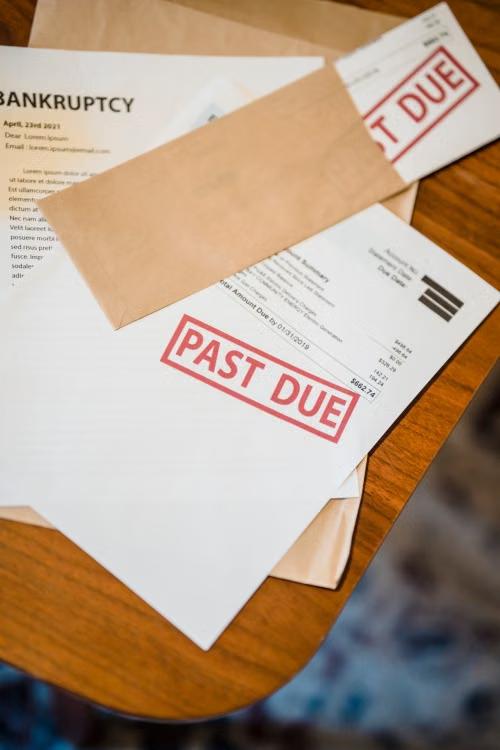

Repossession threats have escalated significantly in 2025, driven by tighter lending standards, rising delinquencies, and more assertive recovery practices. Lenders and third-party agents are moving faster on vehicle and collateral repossessions than in previous years. For Texas consumers—especially those living in the Southern District regions of Corpus Christi, Houston, Victoria, McAllen, and Laredo—these practices have made it more important than ever to understand their legal protections before property is taken.
Understanding Modern Repossession Practices
As consumer debt levels continue to rise, lenders have adopted automated monitoring systems that flag missed payments earlier. This shift has led to more aggressive timelines for repossession activity. Individuals dealing with repossession concerns often discover that lenders can act swiftly when a loan becomes delinquent. While Texas law gives creditors broad authority to repossess vehicles without filing a lawsuit, consumers still maintain key rights before and after the repossession occurs.

Your Rights Before a Repossession
Before a lender takes a vehicle, Texas consumers have the right to cure a default if the loan agreement allows it. Although Texas does not require lenders to obtain court permission for most vehicle repossessions, they must conduct the process peacefully. This means no threats, no physical confrontation, and no entering locked garages. Consumers experiencing issues tied to debt relief services should know that any breach of the peace can create grounds to challenge the repossession.
What Happens After a Vehicle Is Taken
Once a vehicle is repossessed, lenders must provide a post-repossession notice explaining how the borrower can reclaim the vehicle or how the sale process will occur. If the car is sold for less than the remaining loan balance, the lender may pursue a deficiency claim. When individuals face a lawsuit for a deficiency amount, early legal intervention can help examine whether the lender followed proper procedures, whether notices were adequate, and whether the sale was commercially reasonable.
How Attorneys Help Prevent Asset Loss
Even when repossession is imminent, legal guidance can slow or stop the process. We regularly assist consumers by reviewing loan documents, confirming whether the lender has legal standing, and determining whether contract violations occurred. For those overwhelmed by multiple debts or ongoing collection pressure, bankruptcy may be a better approach if that is not an option, offering powerful federal protections. This is especially relevant for individuals considering bankruptcy attorney support when collection efforts escalate.
The Connection Between Foreclosures and Repossession Pressure
While vehicle repossessions are rising, Texas foreclosure procedures remain distinct. Texas is a non-judicial foreclosure state, meaning lenders can foreclose without a lawsuit on most purchase-money mortgages. Legal action is required only for home-equity loans, property tax lien transfers, or reverse mortgages. For homeowners dealing with a foreclosure lawsuit, understanding these distinctions is essential for protecting property rights.
If you’re seeking dependable debt relief law guidance in Corpus Christi, I invite you to reach out to the Law Office of Joel Gonzalez. I am an experienced debt relief attorney helping clients with credit card lawsuits, medical bills, repossessions, and tax-related debt issues. For those needing stronger protection, learn about bankruptcy options or explore foreclosure solutions tailored to your situation. For immediate assistance and a clear path forward, call now.