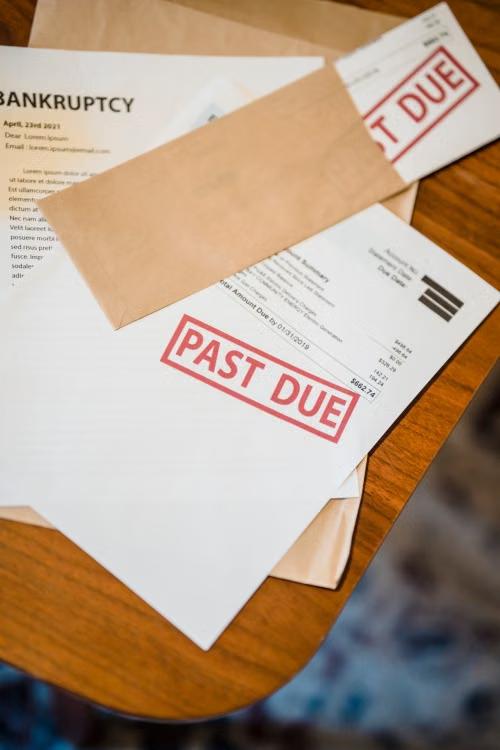
Debt-related lawsuits are climbing rapidly across the United States in 2025, driven by economic pressure, rising consumer balances, and aggressive collection strategies. Civil courts are seeing more cases involving unpaid credit cards, medical bills, repossessions, and deficiency balances than in any period since before the pandemic. As these filings surge, many Texas residents—especially in the Southern District areas of Corpus Christi, Houston, McAllen, Victoria, and Laredo—are experiencing increased legal action from creditors and debt buyers pursuing overdue accounts.
Why Debt Lawsuits Are Increasing
Inflation, record-high interest rates, and shrinking household savings have pushed more consumers into delinquency. Credit card debt is at historic levels, and once accounts fall behind, creditors often choose litigation sooner than before. For Texans dealing with credit card debt relief, lawsuits commonly originate from debt buyers who purchase accounts with limited documentation, which creates opportunities for legal defense—if consumers act promptly.

The Role of Aggressive Collection Activity
Third-party collection agencies have become more assertive, with frequent calls, settlement attempts, and quick escalation to lawsuits. While the federal FDCPA protects consumers from harassment, collectors often push the limits. Many lawsuits succeed simply because defendants do not respond on time. When a person fails to file an answer, courts may issue a default judgment that can lead to liens, bank levies, or long-term credit damage. Anyone facing debt relief service issues should understand that responding early dramatically strengthens their legal position.
Credit Card Lawsuits in Texas
Texas courts continue to see a rise in credit card litigation, often involving accounts sold multiple times between different collection companies. Consumers facing a debt collection lawsuit may have strong defenses available—such as lack of standing or insufficient evidence—but these defenses must be raised before deadlines expire. A timely answer prevents automatic judgments and opens the door to negotiation, settlement, or dismissal.
Foreclosure and Repossession Trends
Foreclosure activity is increasing nationwide, but Texas remains a non-judicial foreclosure state. This means most purchase-money mortgages can be foreclosed without a lawsuit. Litigation is required only for special circumstances such as home-equity loans, tax lien transfers, or reverse mortgages. Homeowners facing notice postings or acceleration letters should act quickly, particularly those encountering foreclosure lawsuit situations.
Vehicle repossessions are also up, and consumers dealing with repossession often underestimate how quickly lenders can act. Understanding rights before or immediately after a repossession is crucial for protecting options.
Why Early Legal Action Matters
When served with a lawsuit, ignoring it is the worst possible response. Texas imposes strict filing deadlines, and missing them leads to judgments that are difficult to reverse. Early legal guidance helps determine whether the lawsuit is valid, whether the collector owns the debt, and what defenses may apply. In some cases, negotiation works. In others, bankruptcy may be a better approach if that is not an option, especially for those overwhelmed by multiple lawsuits or substantial unsecured debt.
If you’re searching for a dependable debt relief law firm in Corpus Christi, I’m here to help at the Law Office of Joel Gonzalez. As an experienced debt relief attorney, I explain every option clearly, including bankruptcy protections and foreclosure solutions. For immediate assistance, call now.