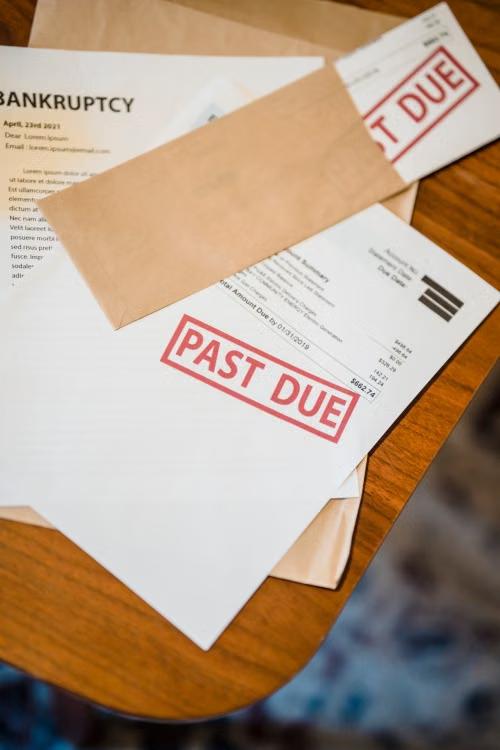

What would someone do if their phone rang ten times before lunch; and every time, it was the same collector repeating the same threats? For many households, this is daily reality. Many consumers experience aggressive or excessive collector behavior, and many feel pressured to react out of fear rather than clear legal understanding. This creates a situation where unfair treatment goes unchecked simply because the person on the receiving end is unsure where to turn.
For individuals in Corpus Christi and across Texas who are facing relentless calls or abusive conduct from debt agencies, legal support can create a meaningful line of protection. The Law Office of Joel Gonzalez, led by a solo attorney with extensive bankruptcy and consumer-protection experience, provides focused representation for people who need structured relief from harassment and guidance on whether certain actions may qualify as legal violations. When collectors overstep, legal intervention can stop the behavior entirely and even support compensation in the right circumstances.
This article explains how consumers respond when contact becomes excessive, how attorneys document wrongdoing for a potential debt collection lawsuit in Corpus Christi or elsewhere in Texas, how federal and state laws protect individuals from misconduct, how someone may stop debt collectors through formal action, and how targeted legal guidance forms a path to relief.
Understanding What Counts as Harassment
Debt collection harassment isn’t always obvious. Some individuals receive frequent calls and assume it is simply “part of the process,” not realising that the law restricts how collectors communicate. Other consumers may receive improper letters or experience threatening language that feels uncomfortable but are unsure whether those actions qualify as legal violations.
To understand where the boundary lies, it helps to break down common forms of harassment that federal and Texas laws prohibit.
1. Repeated or Excessive Contact
Collectors are allowed to call, but they may not:
- Make repeated calls intended to bother, pressure, or intimidate
- Call at odd hours
- Continue calling after being told in writing to stop
- Continue calling a workplace after being informed that calls there are not allowed
Even if someone owes a legitimate debt, harassment protections still apply.
2. Threatening or Abusive Statements
Some consumers report hearing things such as:
- “You will face criminal charges if you don’t respond”
- “Your family will be contacted next”
- “You’ll lose everything if you don’t pay today”
Statements like these are often false, intimidating, and explicitly against federal rules.
3. Misrepresentation or Deception
Collectors may not:
- Pretend to be attorneys when they are not
- Misstate the amount owed
- Suggest legal action that they are not actually planning
- Use fake documents designed to look like court filings
Such actions are significant violations that may justify legal recourse.
4. Contacting Third Parties Improperly

Collectors sometimes attempt to reach neighbours, relatives, or colleagues. The law permits limited third-party communication for locating a person, but repeated or detailed contact is restricted. Many consumers do not know these rules and assume they must tolerate this behavior when they do not.
5. Continuing Collection on Invalid or Disputed Debts
If a person disputes a debt, the collector must provide verification. Continuing collection efforts without verifying accuracy may lead to liability.
How Federal and Texas Laws Protect Consumers
Consumers dealing with excessive contact often feel powerless, but several laws provide clear protections and penalties for harassment. Two of the most important include:
1. Fair Debt Collection Practices Act (FDCPA)
This federal law governs how third-party debt collectors communicate. It restricts:
- Call frequency
- Language used
- Accuracy of information provided
- Communication with third parties
- Threats or misleading legal claims
Violations may entitle consumers to compensation, statutory damages, and attorney’s fees.
2. Texas Debt Collection Act (TDCA)
Texas expands protections by prohibiting:
- Coercion
- Harsh threats
- Fraudulent or deceptive statements
- Attempts to collect amounts not legally owed
Where the FDCPA applies to third-party collectors, the TDCA can apply to additional parties, meaning more conduct falls under regulation.
3. Federal and State Protections Work Together
Many cases involve violations of both laws. An experienced debt collection relief attorney in Texas evaluates which statutes apply and how each violation strengthens a potential claim.
What Consumers Can Do Before Seeking Legal Action
While attorney involvement is often necessary for stopping harassment completely, individuals can take specific initial steps to protect themselves and preserve evidence.
1. Keep a Written Log of All Contact
A log should include:
- Date and time of every call
- Caller identity
- Phone number used
- Summary of statements made
- Any threatening or disrespectful comments
This log becomes important documentation for legal evaluation.
2. Save Letters, Emails, and Voicemails

Written and recorded messages can directly demonstrate misconduct. Many collectors accidentally document their own violations through:
- Out-of-hours voicemails
- Emails with threatening language
- Letters that misrepresent legal consequences
All communication should be stored.
3. Request Written Verification of the Debt
If there is uncertainty about whether a debt is valid, requesting verification requires the collector to pause collection efforts. This can immediately reduce pressure and prevent further improper behavior.
4. Send a Written Request to Limit or Stop Calls
Under federal law, collectors must honour written requests to halt communication. Consumers often send a letter requesting no more phone contact while allowing mail communication.
This letter alone can sometimes stop debt collection harassment, though many agencies continue illegal contact; strengthening a potential claim.
5. Review Credit Reports for Errors
Some collectors report debts inaccurately. Reviewing reports helps identify discrepancies early.
When Collector Behavior Justifies Legal Action
Collectors occasionally make honest mistakes. However, some agencies; especially those handling old medical accounts or purchased debt portfolios; engage in aggressive tactics that cross legal boundaries. Certain behaviors strongly indicate it is time to consider legal action.
1. Harassment Continues After Written Notice
If someone clearly communicates a request to stop calls yet the phone keeps ringing, this is one of the clearest signs of a violation.
2. Threats of Immediate Legal Action Without Basis
Collectors may claim they are “filing papers today” or “sending officers to your home.” These claims are often false and intended to provoke fear.
3. Attempts to Collect Invalid or Time-Barred Debts
In Texas, the statute of limitations for many consumer debts is four years from the charge-off date. Collectors who continue demanding payment on expired accounts can violate multiple laws.
4. False Claims About a Medical Debt Account
A medical debt collection agency may tell a consumer that unpaid bills automatically result in legal consequences or that treatment records will be shared publicly. Such statements can be inaccurate and illegal.
5. Verbal Abuse, Profanity, or Intimidation
No agency is allowed to insult, berate, or shame a consumer; even if the debt is legitimate.
When these behaviors occur, legal assistance becomes vital.
How Attorneys Build a Case Against Abusive Collectors

A key part of responding to misconduct is documentation. Attorneys review records to determine:
- What laws were violated
- How frequently violations occurred
- Whether the agency acted intentionally
- Whether the agency pursued collection despite clear notice
- Whether the consumer suffered emotional or financial harm
Here is how the process generally works.
1. Reviewing Communication Records
The attorney examines logs, voicemails, emails, and letters. Patterns such as repeated late-night calls or threatening phrases often appear clearly.
2. Identifying Misstatements of Law or Fact
Collectors frequently make inaccurate claims about legal consequences. Each misrepresentation strengthens the consumer’s position.
3. Evaluating Whether the Debt Is Valid
If the debt is outdated, incorrectly assigned, or incorrectly reported, this strengthens the case.
4. Examining Agency Practices
Some agencies have repeated histories of misconduct. Evidence of systemic behavior can support stronger claims and argumentation.
5. Determining Which Laws Apply
Depending on the conduct, violations may involve both federal and state statutes. A well-prepared case often cites multiple provisions to provide a fuller basis for relief.
Legal Tools Available to Stop Harassment
Attorneys use several tools to immediately reduce or eliminate improper contact.
1. Formal Demand Letter
A well-drafted letter from legal counsel:
- Instructs collectors to stop contacting the consumer
- Requires written communication only
- Warns of future legal action
- Requests verification where appropriate
Collectors usually take attorney letters seriously.
2. Filing Complaints With Regulatory Bodies
This may include:
- Consumer Financial Protection Bureau
- Texas Attorney General
- Applicable licensing boards
Collectors often respond quickly when regulators become involved.
3. Preparing a Lawsuit
If behavior continues, preparing a suit can:
- Cease calls
- Document further violations
- Position the consumer for compensation
Collectors are often more cautious once they know they may face litigation.
4. Advising on Bankruptcy if Harassment Relates to Large Debt
Some consumers face harassment because their overall financial situation has become unmanageable. Bankruptcy can stop collection activities immediately through automatic legal protections. This may be considered when appropriate, though it is not required for stopping harassment.
Why Documentation Is So Important

Collector misconduct often occurs during short, stressful conversations. Without written evidence, consumers may struggle to prove what happened. Thorough documentation strengthens the case in several ways.
1. It Establishes a Clear Timeline
Courts and regulators want to see:
- When calls happened
- How often contact occurred
- Whether the collector obeyed written requests
A detailed timeline shows patterns of behavior.
2. It Demonstrates Intent
If a collector continues calling after instructions to stop, or continues making false statements, this suggests the agency acted knowingly or at least negligently.
3. It Helps Identify All Applicable Violations
One call might include:
- Inaccurate claims
- Profanity
- False threats
- Disclosure to a third party
Multiple violations within a single call strengthen potential claims.
4. It Supports Recovery of Damages
Documentation can help demonstrate:
- Stress
- Disruption
- Humiliation
- Time spent addressing harassment
These factors may influence compensation.
Handling Harassment From a Medical Debt Collection Agency
Medical account collection is particularly stressful. Bills often arise unexpectedly, and consumers may feel pressured due to concerns about treatment access. Because of this vulnerability, some agencies handling medical accounts engage in more aggressive tactics.
Common issues include:
- Pressure to pay immediately without explanation of charges
- Statements implying treatment will be withheld (which is often untrue)
- Attempts to collect inaccurate amounts
- Threats of improper legal action
- Continuing communication after disputes
Legal protections apply fully to medical debts. A strong debt relief service in Texas can intervene to stop improper treatment and evaluate whether the agency violated federal or state law.
Misconceptions About Debt Collection Harassment
Many consumers tolerate behavior they should not because of misunderstandings. Correcting these misconceptions helps people respond confidently.
1. “If I owe the debt, the collector can treat me however they want.”
False. Owing a debt does not eliminate legal protections.
2. “A collector can say anything to make me pay.”
No. Misleading and abusive statements are illegal.
3. “I should pay something immediately just to stop the calls.”
This may restart the statute of limitations and weaken protections. Consumers should seek guidance before making payments on questionable accounts.
4. “If the collector insists, the debt must be valid.”
Collectors are sometimes mistaken. Some pursue incorrect accounts or outdated debts.
5. “I must accept calls even if they come at bad times.”
Federal law limits contact hours. Calls outside allowed times often indicate violations.
Strategies That Help Consumers Stay Protected Long-Term
Even after harassment stops, consumers benefit from adopting lasting habits.

1. Maintain Records of All Future Calls
Keeping logs helps catch any new patterns early.
2. Review Credit Reports Annually
Early detection of inaccurate reporting prevents future issues.
3. Respond Carefully to New Collection Attempts
A calm, informed response reduces the risk of misunderstandings.
4. Seek Guidance Before Agreeing to Payment Plans
Some agreements have legal consequences that consumers do not anticipate.
5. Consider Whether Broader Debt Relief Is Needed
Some individuals experience repeated contact because their accounts are genuinely unmanageable. Legal relief options including bankruptcy supported by a qualified attorney; may provide long-term solutions when appropriate.
When Harassment Has Gone Too Far: Why Guidance Matters Now
What if someone could make the next collector call the last one they ever need to answer? Individuals dealing with aggressive or abusive collector conduct gain meaningful protection when they speak with someone who understands exactly how these situations unfold.
The Law Office of Joel Gonzalez assists people who want clear, informed support for stopping improper contact, evaluating whether violations justify compensation, and determining when deeper debt issues may require structured relief.
For anyone facing excessive calls, threats, misleading statements, or harassment from medical or consumer collectors, now is the time to take back control. Contact the Law Office of Joel Gonzalez today to learn how legal action can stop collectors, restore peace of mind, and open the door to meaningful relief.