

Recognizing the warning signs early can help you understand your options before the situation becomes more difficult to manage.
At the Law Office of Joel Gonzalez, we help individuals understand bankruptcy and debt-related legal options. Here are four signs that your financial situation may require legal attention.
1. You Receive a Debt Collection Lawsuit or Court Notice
Receiving court papers about unpaid debt is a serious warning sign. A creditor or collection agency may file a lawsuit to pursue repayment, and ignoring the paperwork will not make the case disappear.
A debt collection lawsuit can involve credit card balances, personal loans, medical bills, or other unpaid obligations. Once a lawsuit begins, you may have a limited period to respond according to the applicable court rules.
Here is what you should do when served with a lawsuit:
- Read every document carefully.Identify the creditor, amount claimed, court information, and response deadline.
- Check the details.Review whether the claimed balance, account information, and creditor identity appear accurate.
- Preserve your records.Keep account statements, payment confirmations, collection letters, and other relevant documents.
- Seek legal guidance promptly.An attorney can help you understand the allegations, available defenses, and potential consequences of different responses.
If you are facing a debt collection lawsuit in Corpus Christi, getting advice early can help you assess your options. Depending on your circumstances, bankruptcy may also provide a way to address qualifying debts and pause certain collection actions.
2. Your Vehicle Is at Risk of Repossession
A vehicle can be essential for commuting to work, taking children to school, and managing everyday responsibilities. When loan payments fall behind, the lender may have the right to repossess the vehicle under the applicable agreement and Texas law.
Repossession concerns deserve attention when you receive default notices, repeated lender communications, or warnings that your account is approaching further enforcement action.
Do not assume that making a partial payment will automatically prevent repossession. Contact the lender to understand the account status, available payment arrangements, and any deadlines that apply.
You should also review the loan agreement and keep copies of all communications. If the lender has already repossessed the vehicle, ask about the procedures for recovering it, any redemption rights, and the possibility of a remaining balance after its sale.
When vehicle debt is part of a larger financial struggle, it may be worth assessing your overall obligations rather than focusing on one account alone. Legal advice can help you understand whether bankruptcy or another form of debt relief may address your circumstances.
3. You Receive a Foreclosure Notice or Tax Levy Warning

Losing a home or facing government action against your property can have serious consequences. These situations require prompt attention because notices may contain deadlines that affect your rights.
A foreclosure notice may indicate that your mortgage lender is moving toward a sale because of missed payments or another default. Review the notice, confirm the relevant dates, and contact your mortgage servicer to discuss possible loss-mitigation options.
A tax levy presents a different concern. When tax obligations remain unpaid, the relevant government authority may have legal powers to collect qualifying debts by taking certain property or funds. The procedures and protections depend on the authority involved and the circumstances of the case.
If you receive either type of notice:
- Keep the original documents and note every deadline.
- Request an accurate statement of the outstanding balance.
- Ask about available payment arrangements or other resolution options.
- Consult an attorney promptly to understand your rights.
For eligible individuals, bankruptcy may offer protections that affect certain collection and foreclosure proceedings. However, these protections have exceptions, and bankruptcy does not automatically eliminate every tax debt or guarantee that a home can be saved. The timing of a filing and the type of debt involved can make a significant difference.
4. Collection Activity Becomes Persistent or Aggressive
Frequent calls, repeated letters, and growing demands for payment can signal that ordinary repayment efforts are no longer manageable. Collection activity may also become a concern if you receive threats, misleading statements, or communications that appear to disregard applicable consumer protection laws.
Keep a record of collection calls and letters, including dates, names, claimed balances, and the substance of conversations. Save voicemails and written messages when possible.
Federal and state laws restrict certain collection practices. Whether a particular communication violates those laws depends on the circumstances, so document what happened before deciding how to respond.
At the same time, consider the broader pattern behind the collection activity. Are you borrowing money to cover minimum payments? Are several accounts past due? Is most of your income going toward debt while essential household expenses remain unpaid?
These patterns may indicate that you need more than a temporary payment arrangement. Speaking with an attorney can help you evaluate your options, including whether you can file for bankruptcy relief in Texas.
What Can You Do Before Debt Problems Get Worse?
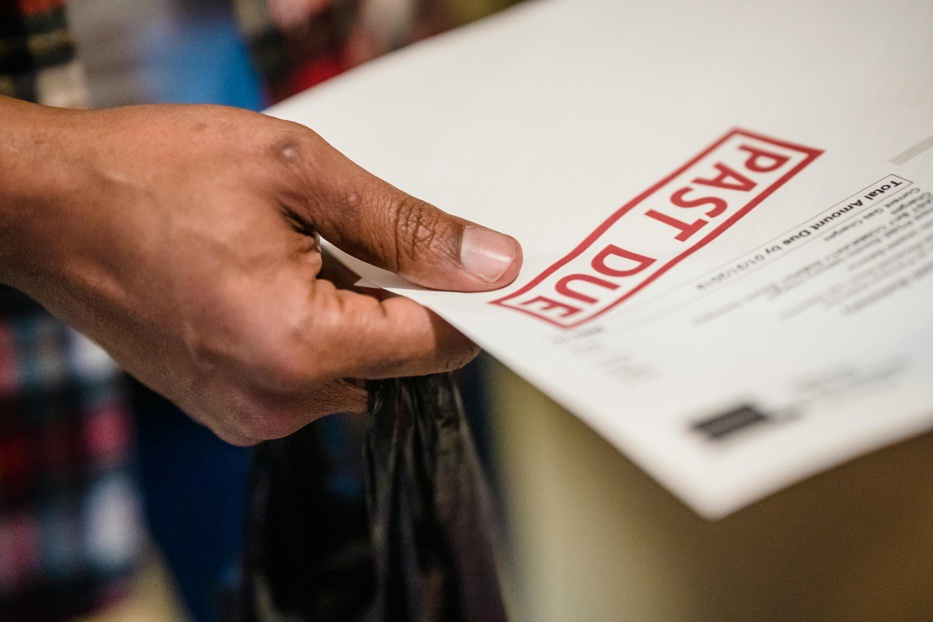
Could addressing your debt situation now help prevent more serious consequences later? Taking informed action may help you understand the options available to you.
Start by listing your debts, interest rates, minimum payments, and overdue balances. Gather court papers, lender notices, tax correspondence, and collection letters. Then compare your income with essential expenses to determine what repayment options may be realistic.
If your obligations exceed your ability to pay, consider consulting a debt relief law firm in Corpus Christi. A qualified attorney can assess your circumstances and explain whether bankruptcy or another legal approach may be appropriate. Not every debt problem requires bankruptcy, and the right response depends on your income, assets, debts, and immediate risks.
At the Law Office of Joel Gonzalez, we help individuals understand their bankruptcy options and make informed decisions about serious debt concerns. If you are looking for a debt relief service in Texas, contact our office to discuss your situation and learn whether filing for bankruptcy relief in Texas may be appropriate for your circumstances.