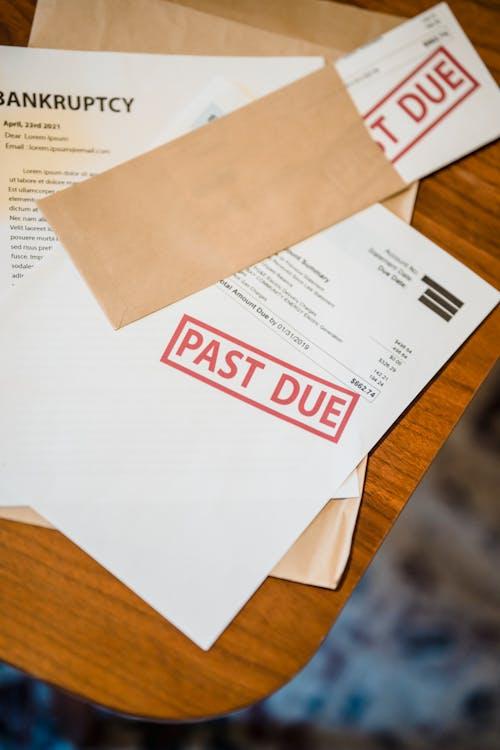

Credit card balances that were manageable a year ago can become impossible to sustain after a job loss, a medical expense, reduced hours, or a sudden rate increase. High-interest revolving debt compounds faster than most people anticipate, leaving them in a position where every minimum payment barely touches the principal. According to the Consumer Financial Protection Bureau, credit card debt remains one of the most prevalent financial pressures facing American households.
When clients come to us dealing with debt collection pressure, the need for credit card debt relief in Corpus Christi, TX, is often central to the conversation. Bankruptcy addresses this type of debt in a specific, defined way, and understanding how that works before deciding whether to file makes a meaningful difference.
Why Credit Card Debt Is Classified as Unsecured
Credit card debt is unsecured. There is no collateral backing the balance. Unlike a mortgage or a vehicle loan, a credit card company holds no lien on any property. This classification matters significantly in bankruptcy because unsecured creditors rank below secured creditors in any repayment hierarchy.
In practical terms, this means unsecured creditors receive only what the bankruptcy process determines they are entitled to, which in many cases is a fraction of the total owed, or nothing at all. A bankruptcy lawyer in Corpus Christi, TX, analyzes how this plays out in a specific case before any filing takes place, so clients understand what outcome to expect before committing to the process.
What Chapter 7 Does to Credit Card Balances
In a qualifying Chapter 7 bankruptcy case, most credit card debt is dischargeable. The entire balance, including accumulated interest and fees, is typically eliminated. Discharge in Chapter 7 generally comes within three to four months of filing, making it one of the faster legal paths to resolving unsecured debt that cannot otherwise be paid down.
There is an important exception worth understanding before filing. Charges made with fraudulent intent, recent luxury purchases above a threshold established in the Bankruptcy Code, and cash advances taken shortly before filing may not qualify for discharge. We review these details carefully with every client to identify any potential issues before the petition is submitted, not after.
How Chapter 13 Treats Credit Card Debt
In Chapter 13 bankruptcy, credit card balances are grouped with other unsecured creditors in the court-approved repayment plan. The plan pays those creditors only what disposable income allows after living expenses and priority obligations are accounted for. Often that amount is a fraction of the total balance. At the end of the three-to-five-year plan period, any remaining credit card balance is discharged.
This structure allows clients to address secured debt arrears, such as catching up on a mortgage or vehicle loan, while substantially reducing or entirely eliminating what is owed to credit card companies. For the right client, both goals are achieved simultaneously within a single court-supervised framework.
What Happens to Collection Activity the Moment We File

Filing triggers the automatic stay, a federal injunction that halts all collection activity immediately upon submission of the petition. Calls stop. Letters stop. Civil actions in progress are paused. Creditors who continue collection efforts after the stay takes effect may be held in contempt of the bankruptcy court.
Clients who have been dealing with relentless contacts, escalating pressure, or aggressive collection tactics can stop debt collectors the moment the petition is filed. According to the United States Courts, the automatic stay applies broadly and takes effect automatically without any separate action by the debtor. The ability to stop debt collection harassment at the outset of the case is one of the most immediate and tangible benefits of filing, and it applies to credit card creditors along with every other type of covered collection activity.
Credit Card Debt Does Not Have to Define What Comes Next
We help clients throughout Corpus Christi and South Texas understand exactly how bankruptcy addresses the specific debts they are carrying and what each stage of the process involves. Credit card debt can feel permanent when balances grow despite every payment. In bankruptcy, it is a defined legal obligation governed by clear rules, and for many clients those rules work in their favor.
The bankruptcy options available to you depend on your income, your debt types, and your goals. To find out where you stand and what the path forward looks like, contact the Law Office of Joel Gonzalez for a free initial consultation with a debt relief law firm in Corpus Christi, TX, that handles these cases every day.