
Keeping Equity In Your Home

Your home represents years of payments, hard work, and financial decisions. When debt collectors threaten legal action, creditors pursue judgments, or bankruptcy becomes a possibility, the thought of losing the equity you have built can be overwhelming. You may worry that one financial setback could put your home and your family’s stability at risk.
The Law Office of Joel Gonzalez helps individuals in Corpus Christi understand their debt relief options and the legal protections that may apply to their homes. Working with a home equity protection attorney can help you understand how Texas homestead laws and bankruptcy rules affect your situation before you make a decision that could put your property at risk.
Protecting home equity starts with understanding your rights, the nature of your debts, and the legal remedies available to you. An initial consultation gives you an opportunity to discuss your concerns and explore a practical path forward.
Understand How Texas Law Protects Your Home Equity
Texas provides substantial homestead protections that may help homeowners keep their primary residences even when they face serious financial difficulties. These protections can be particularly important if you are dealing with credit card balances, medical bills, personal loans, or collection lawsuits.
Texas homestead law generally protects a qualifying primary residence from forced sale to satisfy many types of unsecured debts. However, the protection is not unlimited. Certain obligations, including qualifying mortgage debt, property taxes, valid home equity loans, and certain other legally recognized liens, may still be enforced against a home.
The amount of land that qualifies as a homestead also depends on whether the property is located in an urban or rural area and on applicable legal requirements. Ownership arrangements, property use, and the type of debt involved can affect how the law applies.
Our Texas homestead exemption lawyers can help you assess whether your property qualifies for protection and identify potential complications. This review matters if a creditor has obtained a judgment, threatened collection proceedings, or suggested that your home could be seized to pay a debt.
Understanding these distinctions early can help you avoid unnecessary panic while giving you a clearer picture of what creditors can and cannot legally do.

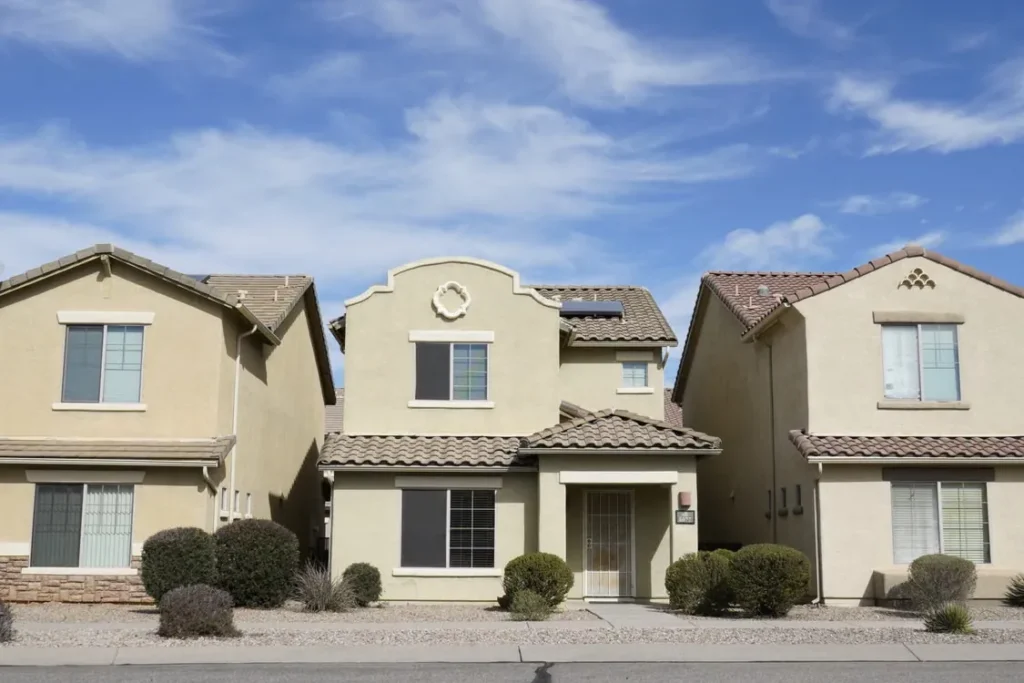
Explore Bankruptcy Options Without Overlooking Your Home
Bankruptcy may provide relief when debt payments have become unmanageable, but homeowners often hesitate because they believe filing automatically means losing their property. That is not necessarily true. The outcome depends on the bankruptcy chapter, your available equity, applicable exemptions, liens, and other facts.
Chapter 7 bankruptcy may eliminate qualifying unsecured debts, but a bankruptcy trustee can sometimes sell nonexempt property to repay creditors. Texas exemptions may protect a qualifying homestead, subject to applicable restrictions and exceptions. Mortgage obligations do not disappear simply because you receive a bankruptcy discharge.
Chapter 13 bankruptcy works differently. It generally allows eligible individuals with regular income to propose a repayment plan over three to five years. Depending on your circumstances, this may help you address certain overdue payments and work toward keeping your home while managing other debts.
A bankruptcy homestead exemption may play a central role in determining which assets you can protect. However, bankruptcy eligibility, exemption limitations, prior property transfers, and other legal requirements can affect your options.
If you want to protect home equity in bankruptcy, legal guidance can help you compare the potential benefits and risks of different approaches. The goal is to understand your choices before filing, rather than discovering after the process begins that an important financial concern was overlooked.
Respond to Debt Collection Lawsuits Before They Threaten Your Finances
A lawsuit from a credit card company, medical provider, debt buyer, or other creditor can make you fear for everything you own. You may wonder whether a judgment will allow a creditor to take your home or force you to sell it to cover an unpaid balance.
Texas law generally prohibits using a judgment for ordinary unsecured debt to force the sale of a qualifying homestead. Nevertheless, a lawsuit can still create financial and legal complications. A creditor may pursue other nonexempt assets, seek available collection remedies, or attempt to challenge whether a claimed exemption applies.
Ignoring a lawsuit is risky. Missing a response deadline can result in a default judgment, potentially giving the creditor additional collection options. Even when your home is protected, you should not assume that the lawsuit itself can be safely ignored.
The Law Office of Joel Gonzalez focuses on debt collection lawsuits and debt relief matters. Legal assistance can help you understand the allegations, review whether the creditor has a valid claim, identify applicable defenses, and determine how your homestead rights may affect the dispute.
Our home equity protection attorneys in Corpus Christi can also help you consider how a pending lawsuit fits into your broader financial circumstances. Addressing the legal issue promptly may help you avoid preventable complications and make more informed decisions about protecting your assets.


Identify Risks That Could Put Your Home at Risk
Even with strong homestead protections, certain debts and circumstances can place a home in jeopardy. Knowing where those risks arise can help you take appropriate action before a financial problem becomes a property crisis.
Common issues worth reviewing include:
- Mortgage arrears: Your mortgage lender may have foreclosure rights if you fall behind on required payments and applicable legal conditions are met.
- Property taxes: Unpaid property taxes can lead to a tax lien and, potentially, foreclosure proceedings.
- Home equity loans: A valid home equity lien may be enforceable against your property under applicable Texas law.
- Certain other liens: Some liens, including qualifying mechanic’s or materialman’s liens, may affect your homestead depending on how they arose and whether legal requirements were satisfied.
- Bankruptcy complications: Nonexempt assets, exemption limitations, inaccurate disclosures, or certain transfers made before filing can create problems.
- Ownership and residency questions: Questions about who owns the property, whether it qualifies as a homestead, or how it is used may affect available protections.
If you are concerned about how to protect your home in bankruptcy, a legal review can help distinguish ordinary collection pressure from a genuine risk to your property.
Avoid transferring your home, changing ownership, or taking out additional loans simply to keep creditors away without first obtaining legal advice. Certain transactions may create additional problems or fail to provide the protection you expect.
Build a Legal Strategy Around Your Home and Financial Future
Protecting home equity is not just about responding to one creditor. It requires understanding how your debts, property rights, income, and potential legal proceedings fit together.
The right approach depends on your circumstances. You may need to challenge a collection lawsuit, evaluate whether bankruptcy makes sense, review a creditor’s claim against your property, or understand the protections available under Texas homestead law.
During an initial consultation, you can explain your financial concerns and ask questions about the risks you face. Relevant information may include your mortgage balance, estimated property value, types of debt, collection notices, pending lawsuits, and any foreclosure-related communications. Having these details available can make the discussion more productive.
The Law Office of Joel Gonzalez serves individuals who need help navigating debt collection lawsuits and debt relief concerns. Our Texas homestead exemption lawyers in Corpus Christi can help you understand the protections that may apply to your home, the limitations you should know about, and the steps worth considering in your situation.
Contact the Law Office of Joel Gonzalez to schedule an initial consultation. Discuss your debt concerns, learn more about the legal protections that may apply, and explore your options for moving forward with greater confidence.

Frequently Asked Questions
Q: Can creditors take my home for unpaid credit card debt in Texas?
Texas homestead law generally protects a qualifying primary residence from forced sale to satisfy ordinary unsecured credit card debt. However, other assets may remain subject to collection, and exceptions to homestead protection can apply.
Q: Can I keep my home if I file for bankruptcy?
Possibly. Your options depend on the bankruptcy chapter, your equity, applicable exemptions, mortgage payments, and other circumstances. Texas homestead protections can help eligible homeowners, but they do not eliminate every foreclosure risk or property-related obligation.
Q: Does the Texas homestead exemption protect all my home equity?
Texas offers broad homestead protection, but eligibility requirements and statutory limitations apply. Certain liens and debts can still affect your property. A legal review can help clarify how these rules apply to your home.
Q: What should I do if a creditor sues me while I own a home?
Do not ignore the lawsuit. Review the papers, note the response deadline, and seek legal guidance promptly. A lawyer can assess potential defenses, explain your homestead rights, and help you understand the possible consequences of the case.
Q: Can I transfer my home to a family member to protect it from creditors?
Transferring property to avoid creditors can create serious legal problems, including potential fraudulent-transfer claims. Do not transfer ownership without obtaining legal advice about your specific circumstances and the consequences under applicable law.