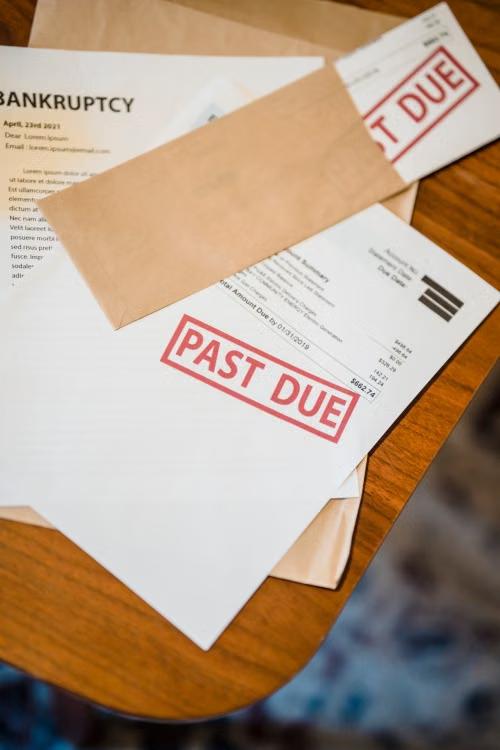

Getting contacted about a debt you do not recognize, have already paid, or never agreed to in the first place is more common than most people realize. Collection agencies buy and sell debt portfolios in bulk, and errors in the transfer process can result in the wrong person being contacted, the wrong amount being claimed, or a debt being pursued long after it should have been resolved. Knowing how to challenge a disputed debt is essential, and consulting a bankruptcy lawyer in Corpus Christi can help you understand your options and determine whether bankruptcy or another form of debt relief may be appropriate.
The good news is that federal law provides specific protections for consumers who believe a debt is inaccurate, inflated, or simply not theirs. The process for exercising those protections is straightforward, but it requires timely action and careful documentation to be effective. Whether the disputed amount involves a medical bill, a credit card balance, or a collection account you have never seen before, understanding how to stop debt collectors effectively puts you in a far stronger position than simply hoping the problem goes away on its own.

Your Right to Request Debt Verification
The foundation of any debt challenge is the verification right established under the Fair Debt Collection Practices Act. When a collector contacts you about a debt, they are required to provide certain basic information, including the name of the original creditor, the amount claimed, and a statement that you have the right to dispute the debt within 30 days.
According to the Consumer Financial Protection Bureau, if you send a written dispute within that 30 day window, the collector must stop all collection activity until they provide written verification of the debt. This pause is not merely a courtesy. It is a legally enforceable obligation that gives you time to review the claim without the pressure of ongoing collection calls, letters, or threats.
The verification a collector provides should include enough detail to confirm that the debt is yours, that the amount is accurate, and that the collector has the legal authority to collect it. If the verification is incomplete, inconsistent, or does not match your records, those discrepancies become the basis for a stronger challenge.
It is worth noting that the verification requirement applies specifically to third party debt collectors, not always to original creditors collecting their own debts. However, even original creditors are bound by general consumer protection laws that prohibit misrepresentation and unfair practices, which means the right to question a debt and demand supporting documentation exists regardless of who is doing the collecting.
Common Reasons Debts Get Disputed
Understanding why debts end up in dispute helps frame the challenge more effectively and increases the likelihood of a successful outcome. While some disputes involve genuinely fraudulent debts, many others stem from administrative errors, communication breakdowns, or aggressive collection practices that misrepresent what is actually owed.
Identity Errors and Mixed Files
Collection agencies sometimes pursue the wrong person entirely. Similar names, shared addresses, and data entry errors can result in a debt being attributed to someone who never incurred it. This is particularly common when debts are sold between agencies and the original documentation does not transfer completely or gets merged with records belonging to a different individual.
A bankruptcy attorney in Corpus Christi can help identify whether an identity error is at play and explain steps to correct the record before the disputed debt damages your credit or triggers further collection action. In cases involving identity theft, additional protections under the Fair Credit Reporting Act may apply, including the right to place a fraud alert or security freeze on your credit file. Consulting a bankruptcy lawyer at this stage can also clarify whether the disputed debt is part of a larger financial picture that warrants a more comprehensive solution.
Already Paid or Settled Debts
Debts that have already been paid in full or settled for a lesser amount sometimes reappear in collection, often after being sold to a new agency that does not have updated or accurate records. This is one of the most frustrating scenarios for consumers because they have already fulfilled their obligation, yet the collection activity continues as though the debt is still outstanding.
Keeping records of payments, settlement agreements, and confirmation letters is the single best defense against this type of dispute. When you can produce documentation showing the debt was resolved, the burden shifts decisively to the collector to justify why collection is continuing.
If you no longer have the original payment records, bank statements from the relevant period can often serve the same purpose. Most banks retain transaction records for seven years or more, and a statement showing a payment to the original creditor or to a previous collection agency on the same debt provides strong evidence that the obligation was already fulfilled.
Inflated Balances and Unauthorized Charges
Even when a debt is legitimate, the amount being collected may not be. Interest charges calculated incorrectly, fees that were never disclosed, and costs added after the account was charged off can inflate a balance well beyond what the consumer originally owed. The Federal Trade Commission notes that collectors must accurately represent the amount owed, and a balance that includes unauthorized additions is a valid basis for dispute. A debt settlement lawyer in Corpus Christi can review the detailed accounting of a disputed debt and help identify discrepancies that may affect how the claim should be addressed.
How to File an Effective Dispute
Filing a dispute is not complicated, but doing it effectively requires attention to a few important details that many consumers overlook in the rush to respond.
Put Everything in Writing
A verbal dispute over the phone is not sufficient to trigger the legal protections that come with a written dispute. The dispute letter should be sent via certified mail with return receipt requested, which creates a verifiable record of when it was sent and when the collector received it. This documentation becomes critical if the collector violates the verification requirements and the dispute escalates.
The letter does not need to be lengthy or use legal terminology. A clear, factual statement identifying the debt being disputed, the reason for the dispute, and a request for full written verification is sufficient. What matters is that it exists in writing, that it was sent within the 30 day window, and that you can prove both of those things if the matter escalates later.

Be Specific About What You Are Disputing
A dispute letter should clearly state what aspect of the debt you are challenging. Simply writing that you do not owe the debt is less effective than specifying whether you are disputing the amount, the identity of the debtor, whether the debt was previously paid, or whether the statute of limitations has expired. Specificity forces the collector to address your actual objection rather than responding with generic confirmation. This level of detail is particularly important in medical bill collections involving debt relief, where billing errors and insurance payment discrepancies can be common sources of disputed balances.
Include Supporting Documentation
If you have evidence supporting your dispute, such as payment receipts, bank statements, settlement agreements, or correspondence with the original creditor, including copies with your dispute letter strengthens your position considerably. Do not send originals, as these documents may be difficult or impossible to replace if they are lost in the collection process.
According to the Fair Debt Collection Practices Act, consumers have the right to be treated fairly throughout this process, and a well-documented dispute puts the legal burden squarely on the collector to prove that their claim is valid. A debt collection relief attorney in Texas can review the dispute before it is sent to help ensure it addresses the relevant issues and available legal protections.
What Happens After You Dispute
Once a proper written dispute is received by the collector, all collection activity must stop until written verification is provided. If the collector cannot verify the debt, they are legally required to stop collecting entirely and, in many cases, must notify the credit bureaus that the debt is disputed.
If the collector does verify and the dispute remains unresolved, the situation moves into a phase where further action may be necessary. This could include filing a complaint with the Consumer Financial Protection Bureau, pursuing a formal legal challenge, or exploring whether the collector’s behavior during the process violated any provisions of federal or state consumer protection law.
Collectors who continue to pursue a debt after receiving a valid dispute without first verifying are violating federal law, which can expose them to liability for damages, attorney fees, and statutory penalties. This is one reason why documenting every step of the dispute process so carefully matters, since the documentation itself becomes evidence if the collector’s behavior crosses the line.
When a Disputed Debt Becomes a Lawsuit
In some cases, a creditor or collector will respond to a dispute by filing a lawsuit rather than providing verification or dropping the claim. A debt collection lawsuit in Corpus Christi can feel like an escalation, but it also provides the consumer with a formal legal forum where the creditor must prove that the debt is valid, that the amount is accurate, and that they have the legal standing to collect it.
Many consumers do not realize that a lawsuit is not a guaranteed loss for the debtor. Creditors filing suit must still meet their burden of proof, and credit card lawsuit defense in Texas may involve highlighting verification failures, documentation gaps, or statute of limitations issues that could affect the case. Even in cases where the debt is ultimately found to be valid, the process of defending a lawsuit can lead to a negotiated settlement that is significantly lower than the amount originally claimed.
The key is engaging with the process rather than avoiding it. Consumers who file an answer, raise defenses, and participate actively in the case consistently achieve better outcomes than those who let the lawsuit proceed without response, regardless of whether the underlying debt turns out to be valid.

Credit Reporting and Disputed Debts
A disputed debt can also affect your credit report, which creates additional urgency around resolving the matter correctly. Under the Fair Credit Reporting Act, consumers have the right to dispute inaccurate information directly with the credit bureaus, and the bureaus are required to investigate within 30 days.
Requesting copies of your credit report from all three major bureaus at the beginning of the dispute process establishes a baseline that makes it easier to identify changes, corrections, or new entries as the dispute progresses. Free annual credit reports are available through the federally authorized website, and additional reports can be requested whenever an adverse action, such as a credit denial or an interest rate increase, occurs based on information in the file.
The intersection of debt disputes and credit reporting creates a situation where the financial consequences extend well beyond the amount of the debt itself. A disputed debt that incorrectly appears as delinquent can affect interest rates on existing accounts, insurance premiums, rental applications, and even employment prospects in certain industries. Resolving the credit reporting aspect of a dispute is just as important as resolving the collection activity itself.

Challenge Debts You Should Not Be Paying
Joel Gonzalez and his law office help consumers challenge debts they do not believe they owe, using applicable protections under federal and state law. Whether someone is dealing with credit card debt relief in Corpus Christi, seeking debt relief services in Corpus Christi, or needs guidance from a bankruptcy lawyer in Corpus Christi, they provide personalized legal guidance based on the circumstances. Contact them today to review the debt in question and discuss which legal options may be appropriate.