
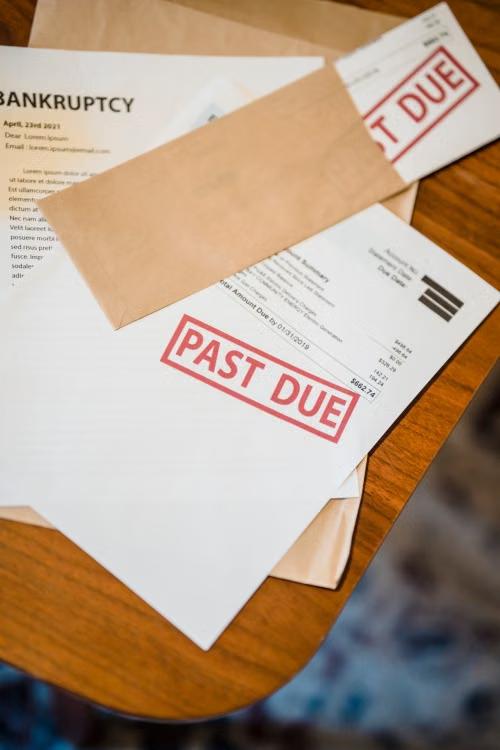
Financial hardship can make it difficult to keep up with credit cards, medical bills, personal loans, vehicle payments, and other obligations. According to the U.S. Courts, bankruptcy filings rose 11.5 percent in the twelve months ending June 30, 2025, compared with the previous year. Bankruptcy remains a legal process designed to address qualifying debts and give individuals a structured path toward financial recovery.
For someone considering Chapter 7 or Chapter 13, the choice depends on income, assets, debt types, household circumstances, and long-term financial goals.
How Chapter 7 Bankruptcy Works
Chapter 7 is often called liquidation bankruptcy. It generally involves the sale of nonexempt property by a trustee, although many Chapter 7 cases are considered “no-asset” cases because applicable exemptions protect the debtor’s property. Qualifying unsecured debts, such as certain credit-card balances and medical bills, may be discharged. However, not every debt qualifies for discharge.
People considering Chapter 7 may consult bankruptcy lawyers in Beeville to review their income, assets, debts, and eligibility before filing.
How Chapter 13 Bankruptcy Works
Chapter 13 allows eligible individuals with regular income to propose a repayment plan. The plan generally lasts between three and five years, depending on the circumstances.
Rather than immediately liquidating assets, Chapter 13 can provide a structured method for addressing qualifying debts while allowing the filer to retain property, subject to applicable rules. A bankruptcy attorney can review household income, expenses, secured debts, and other financial information when assessing whether Chapter 13 may be appropriate.
How Local Legal Guidance Can Help
The right bankruptcy chapter depends on the individual’s complete financial picture. A professional review may include:
- Household income
- Monthly expenses
- Property ownership
- Secured and unsecured debts
- Tax obligations
- Vehicle loans
- Mortgage arrears
- Previous bankruptcy filings
People in nearby communities may also seek assistance from a debt relief law firm or repossession lawyer, depending on the financial problem they are facing.
How to Compare Chapter 7 and Chapter 13
Choosing between Chapter 7 and Chapter 13 requires more than comparing repayment periods. Eligibility, property, income, debt types, foreclosure concerns, vehicle loans, and tax obligations can all affect the decision.
If you are uncertain about Chapter 7 or Chapter 13, The Law Office of Joel Gonzalez can help you review your financial circumstances and understand the legal options that may apply. Contact Joel to discuss your situation and determine what steps may be appropriate.