
Ongoing Interest and Fees Keep Compounding
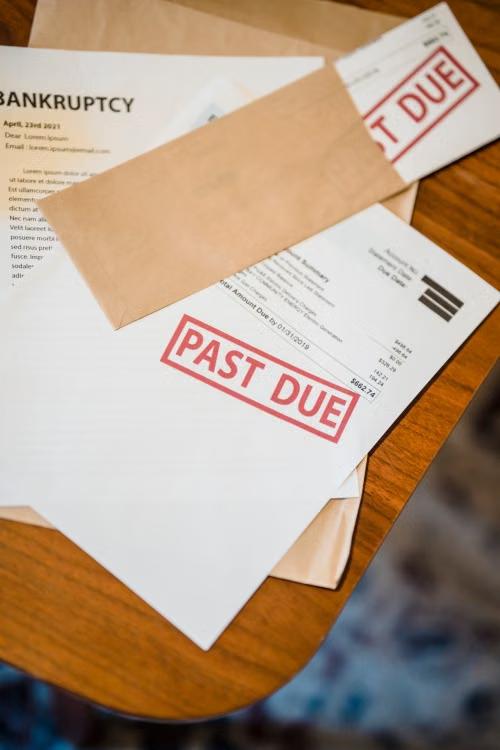
One of the most predictable costs of delay is also one of the least visible in the moment. When accounts go unpaid, interest continues to accrue at the full contractual rate, often above twenty percent annually on credit card debt. Late fees and penalty APRs are added on top. A balance that feels manageable at one level can double or grow substantially within a few years under those conditions. Delay does not pause the math. Every month that passes without a resolution adds to the total that will eventually need to be addressed, either through payment, negotiation, or a legal filing . The debt relief service in Texas provided through the Law Office of Joel Gonzalez starts with understanding how the numbers have grown and how those numbers grew.
Debt Lawsuits and Collection Pressure Intensify Over Time
Creditors will sue when accounts remain unpaid long enough. In Texas, the statute of limitations for most consumer debts is four years, but creditors do not typically wait that long before taking legal action when significant balances are involved. A court judgment opens the door to collection mechanisms that were not available without it, including potential bank account freezes through a writ of garnishment. It is important to note that Texas generally does not permit wage deductions for ordinary consumer debts the way other states do; the bank account is the more common post-judgment collection target in Texas. Ongoing legal threats, open lawsuits, and court dates all add cost and stress that bankruptcy could have prevented. If you are already facing a lawsuit, learning about credit card lawsuit defense in Texas options can be a useful starting point, but a full consultation addresses the bigger picture.
The Emotional and Mental Weight of Unresolved Debt
Research consistently links financial stress to elevated anxiety, disrupted sleep, and impaired daily decision-making. The American Psychological Association has documented the connection between money stress and broader mental health effects across multiple years of its Stress in America survey. The cycle of creditor contact and unpaid bills does not stay contained to finances. It affects personal relationships, concentration at work, and the ability to plan for anything beyond the immediate present.
Fewer Financial Options Remain Available Over Time
As debt situations persist, available options tend to narrow. Rental housing becomes harder to secure when collections and judgments appear on a background check. Auto financing becomes more expensive or unavailable through standard lenders. Employment in certain financial sector roles can be affected by credit history. The longer a debt crisis continues unresolved, the more these downstream effects compound. Bankruptcy may be a better approach when other options are no longer realistic.
How Delaying Bankruptcy Can Worsen the Overall Outcome

One of the most consequential costs of delay is the depletion of protected assets. Many people attempt to avoid bankruptcy by withdrawing retirement funds to make payments on debts that are ultimately going to be discharged anyway. In Texas, retirement accounts are generally exempt in bankruptcy under Texas Property Code Section 42.0021. Spending them down before filing eliminates that protection. The same principle applies to selling exempt personal property or borrowing against a protected home equity. These strategies often convert protected assets into dischargeable debt payments, leaving the filer in a weaker position when they eventually file.
A Decision Worth Making Sooner Rather Than Later
The conversation about whether bankruptcy is the right move costs nothing and provides clarity. A consultation with bankruptcy lawyer in Corpus Christi, TX, Joel Gonzalez at the Law Office of Joel Gonzalez reviews the full financial picture and identifies which options are still available given the current situation. Reach out today through our contact page to schedule your free initial consultation. You can also learn more about how debt collection operates and what stops it before the meeting.