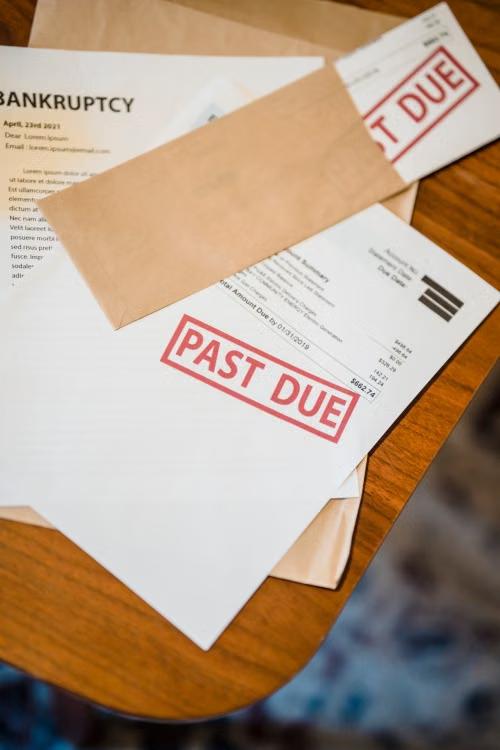

In 2025, we’re seeing a dramatic resurgence of debt collection lawsuits across the United States. According to recent reporting from the Pew Research Center and January Advisors, filings of consumer debt cases sharply increased in 2023 and 2024 — surpassing even pre-pandemic levels in many states.
This rise is driven by several intersecting factors. Firstly, consumer debt — especially revolving credit like credit cards — has climbed substantially. According to data highlighted by a 2025 legal-industry review, rising credit card balances and delinquency rates have put many households under pressure.
Secondly, financial stress remains high. Economic uncertainty, inflation, and escalating interest rates make it harder for borrowers to stay current. As more accounts go into delinquency, creditors and debt-purchasers increasingly turn to lawsuits as a recovery method — and new tools make volume suits easier than ever.
Thirdly, modern debt-collection operations rely heavily on automation and aggressive tactics. The adoption of generative AI and automated processing enables collectors to file thousands of small-amount claims en masse, what once would have been too burdensome to handle manually.
The result: state courts nationwide are being flooded with debt-related filings. Many of these are default judgment cases because debtors do not respond or lack legal representation.
What Typically Triggers a Debt Collection Lawsuit
A debt collection lawsuit often begins when one or more of the following occurs:
- A credit card, medical bill, personal loan, or other account becomes delinquent and remains unpaid — sometimes for months or years.
- The outstanding debt is sold or transferred to a third-party debt buyer, which now owns the account. These buyers often have stronger incentives to sue.
- Interest, late fees, and compounding charges push the balance higher — making the unpaid amount worthwhile to pursue in court.
- Automated systems flag large numbers of delinquent accounts and initiate mass-filings — especially for low- to medium-balance debts that creditors wouldn’t previously have bothered to sue over.
Because of these triggers, even modest unpaid balances can suddenly lead to a lawsuit, especially when owned by aggressive debt buyers.
What Happens Once You Are Served With a Lawsuit
Being served a debt collection lawsuit can be an alarming experience. Many people feel powerless, but this is exactly when your response matters most.
Once served:
- The lawsuit documents will list the amount claimed, who is suing, and when you must respond. If you don’t answer by the deadline, the creditor may win a default judgment.
- A default judgment gives the creditor the right to pursue collection actions later — such as bank levies, liens, or garnishment (where allowed).
- Because many lawsuits are filed en masse by debt-buyers using automated tools, documentation errors or mis-assigned debts are common — so you might end up sued for debts you do not owe, or for incorrect amounts.
Without legal representation, facing these risks — and navigating the court system — can be overwhelming.

Now Is the Time to Act
With debt collection lawsuits surging nationwide in 2025 — driven by rising consumer debt, aggressive collection practices, and automation — more individuals than ever face serious legal and financial threats. But being served does not mean surrender. With the guidance of an experienced and dedicated attorney, you have concrete options: validating or disputing the debt, negotiating settlements, or choosing bankruptcy when warranted.
If you find yourself in this situation, acting quickly and securing legal support can make the difference between a default judgment that haunts you for years — and a debt resolution that restores control over your financial life.
Take Control With Professional Help
Are you burdened with insurmountable debt? If you’re searching for a trusted debt relief law firm in Corpus Christi, TX, I am here to help. As an experienced debt collection relief attorney, I can evaluate your situation, explain your options, and guide you toward the most effective debt-relief solution for your circumstances.
Whether you’re facing a debt collection lawsuit, dealing with issues related to repossession, or navigating a foreclosure lawsuit in Corpus Christi, TX, I provide personalized legal support based on years of practice throughout the Southern District of Texas. I handle credit-card lawsuits, medical debt, tax debt, repossession matters, and more. And if negotiation isn’t the most suitable option, bankruptcy may be a better approach.
To speak directly with me, contact now. Let’s take the first step toward restoring your financial stability.