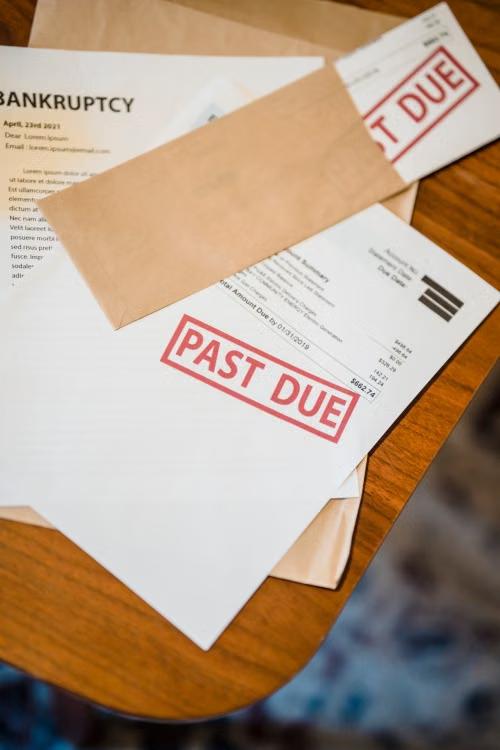

Collectors call at moments when people are already stretched thin. When the tone turns sharp or the pressure rises, it can leave anyone feeling cornered. Over the years, countless consumers have described those same experiences, and those stories have finally reached the right ears. Regulators have begun paying closer attention, and the collection industry is facing stronger legal pressure than it has in a long time. Understanding why helps consumers feel more prepared when they need to stop debt collectors or push back against conduct that crosses the line.
Why Regulators Are Taking Action
Shifts in Consumer Complaints
Federal agencies have been receiving a steady stream of complaints about collection practices, but the recent surge has brought the issue into sharper focus. Many of these complaints describe long call cycles, rushed conversations, and pressure that leaves people unsettled long after the call ends. When collectors imply that a person has no time left to make a decision, it affects how that individual handles the rest of their day. Regulators review these complaints not as isolated stories but as signs of widespread practices. Their attention increases when similar issues appear across different agencies. Repeated reports of collectors chasing expired accounts or pressuring people who never owed the debt at all have raised legitimate concerns. These patterns contribute to the conclusion that stronger oversight is needed to protect the public.
Why Wage Garnishment Threats Trigger Federal Scrutiny
One of the most common concerns involves misleading statements about wage garnishment. Many Texans hear warnings that sound urgent or absolute, even when Texas law does not allow many forms of garnishment. People often seek guidance from a wage garnishment lawyer Corpus Christi, a Wage Garnishment attorney TX, or a lawyer to help with garnishment because they want clear information, not fear-driven pressure. Regulators recognize how quickly these threats can disrupt someone’s stability. When collectors use garnishment as leverage without proper legal grounds, it becomes a direct violation of federal rules. This has been a key factor in the push for more aggressive enforcement.
Rising Concerns About Harassing Contact

The Impact of Constant Calls on Consumers
Frequent contact may begin as a routine reminder, but it often escalates into something overwhelming. Some people report receiving several calls in a single afternoon. Others say collectors kept calling even after they explained that the calls were interfering with work or caregiving responsibilities. When someone requests a pause and the calls continue, the experience shifts from pressure to harassment. Regulators view these situations seriously because the Fair Debt Collection Practices Act grants every consumer the right to request reasonable limits on communication. Ignoring those requests violates federal rules and contributes to growing concern about industry behavior. People respond to this stress in different ways, but many describe the contact as emotionally draining.
How Texans Seek Relief When Contact Becomes Excessive
When calls reach an uncomfortable level, Texans look for support. Some explore options through Debt Relief service Corpus Christi or Debt Relief service Texas providers, hoping to understand what steps they can legally take. Others keep records of call frequency in case they need to file a complaint or prepare for a dispute. The reason these services are in demand is simple: ongoing harassment limits a person’s ability to think clearly about their financial situation. As more complaints reach federal agencies, regulators see how common these experiences have become. This is one of the driving forces behind the rising legal scrutiny directed at the collection industry.
Misleading Statements and False Threats
How False Claims Affect Consumer Decisions
Collectors sometimes rely on statements meant to push people into quick decisions. They may imply that garnishment is imminent or that a lawsuit has already been filed. These claims often sound convincing when someone is stressed or unsure of their rights. The danger comes from the speed at which these warnings influence choices. A person may agree to a payment plan they cannot afford or redirect money meant for essentials. When people believe they have only minutes or hours to act, they lose the opportunity to evaluate their options. Regulators have seen how these tactics create unnecessary panic, and they consider it a leading factor in the need for stronger oversight.
Why Regulators Treat Misrepresentation as a Serious Violation
Federal and state laws require collectors to communicate honestly. When they misrepresent their authority, they create pressure that is neither fair nor legal. Many Texans confronted with these tactics reach out to a Debt collection relief attorney TX because they want accurate information and protection from further confusion. Others find themselves responding to claims that never held any legal weight in the first place. Regulators treat this conduct as a serious issue because false threats can lead to financial harm, emotional stress, and rushed decisions that affect long-term stability. The increase in cases involving misrepresentation has played a significant role in the heightened scrutiny directed at debt collection agencies.
Time-Barred Debts and Renewal Tactics
How Old Debts Create New Problems for Consumers
Time-barred debts create confusion because collectors often speak in ways that obscure how old the account truly is. Many Texans learn the age of a balance only after researching their rights or talking with someone knowledgeable. When agencies avoid explaining that a debt cannot be taken to court, consumers may make small payments, believing it will stop contact. In reality, even a minor payment may restart the statute of limitations. Once that happens, the consumer becomes exposed to a Debt Collection Lawsuit Corpus Christi or a lawsuit Corpus Christi filed elsewhere in Texas. These renewed lawsuits catch people off guard, especially when they assumed the debt had disappeared years earlier. The pressure increases when collectors imply that immediate action is required, even though the law may actually be on the consumer’s side.
Why Regulators Focus on Transparency With Time-Barred Accounts
Federal and state regulators treat this issue seriously because a lack of disclosure affects a person’s ability to make informed decisions. Some consumers take on payment plans they cannot sustain, while others redirect funds meant for essential bills. The problem grows when agencies present expired debts as urgent obligations. Regulators expect collectors to provide clear information about time-barred accounts, including whether legal action is still possible. When agencies fail to do so, they violate consumer protection rules. This pattern has played a significant role in the increased scrutiny placed on collection practices across Texas.
Lawsuits Against Agencies Reveal Deeper Issues

Patterns Found in Federal and State Cases
When lawsuits are filed against collection agencies, investigators uncover patterns that show how widespread certain tactics have become. Some collectors falsely claim to be attorneys to create a sense of pressure. Others contact family members or workplaces, hoping embarrassment will force quick payment. Cases often reveal missing documentation, incorrect balances, or inconsistent explanations about the debt. These details matter because they show intentional strategies rather than random mistakes. Investigators reviewing call recordings often hear scripts designed to speed up the conversation, limit consumer questions, and push for immediate commitments. These findings highlight the kind of pressure that drives many Texans to seek help from a Debt collection relief attorney TX or explore Debt Relief service Texas options when they feel cornered.
How Legal Action Shapes the Industry’s Conduct
Once regulators gather evidence, they often impose fines, require restitution, or shut down operations. These consequences send a message to other agencies using similar methods. The lack of documentation, misleading statements, and pressure-based scripts undermine consumer rights and violate federal protections. Lawsuits also help the public understand how these tactics work behind the scenes. As more cases come to light, people become aware of what collectors can and cannot do legally. This increased awareness encourages consumers to challenge questionable conduct and seek help when pressure escalates. The rising number of cases has set a new standard for accountability across the industry.
The Impact of Repossession Threats
How Repossession Pressure Affects Borrowers
Many consumers dealing with late payments receive sudden warnings that they may lose their vehicles. The tone of these calls often creates tension, especially when collectors imply that the repossession will happen immediately. This pressure causes people to panic, even when the collector lacks the authority to act so quickly. Some borrowers respond by seeking advice from a repossession lawyer Corpus Christi, while others look for guidance from repossession lawyers in Texas or a repossession attorney Texas who can explain their rights. Vehicle loss affects transportation, work, childcare, and daily routines, so these threats carry emotional weight. Regulators recognize the impact these statements have and closely monitor how agencies communicate about repossession.
Why Regulators View Misleading Repossession Warnings as Intimidation
Repossession is allowed under specific circumstances, but collectors often exaggerate those conditions. When agencies imply that a vehicle will be taken without proper notice or legal justification, they create pressure that is neither fair nor lawful. Regulators treat this conduct as intimidation because it forces people into rushed decisions. Consumers may agree to payments they cannot afford or ignore better financial options, including Debt Relief service Corpus Christi or Credit Card Debt relief Corpus Christi, because they fear the sudden loss of transportation. The rise in complaints about misleading repossession warnings has led to stronger legal oversight, and agencies that use these tactics risk significant penalties.
How These Actions Affect Everyday Consumers
Why Legal Oversight Matters in Daily Life
When regulators pay closer attention to collection conduct, consumers feel a difference almost immediately. The FDCPA gives people the right to request written verification of a debt, question the accuracy of a balance, or ask that contact stop. These protections existed for years, yet many people did not feel confident enough to use them. Stronger legal action helps change that. When someone understands they can dispute a charge, demand proof, or ask for written communication, they gain control during a stressful moment. If harassment continues after a request to stop, each violation supports the consumer’s position when they seek help. Texans facing intense pressure often consider Credit Card Debt relief Corpus Christi, reach out to a Debt Settlement Lawyer Corpus Christi, or speak with a chapter 7 bankruptcy attorney or chapter 13 bankruptcy attorney to understand their options. The goal is clarity, not confrontation. Legal oversight also limits aggressive tactics that aim to overwhelm consumers who did not know how much authority collectors actually had.
How Increased Enforcement Changes Consumer Decision-Making
When collectors are required to follow the law more closely, consumers can approach their financial concerns with a steadier mindset. Instead of reacting to sudden threats, they have space to ask questions and think through their next step. Many Texans describe feeling less intimidated once they learn that a collector cannot continue calling after a written request or misstate the consequences of nonpayment. This shift encourages people to review documents carefully and seek guidance without fear of retaliation. The end result is a more balanced interaction where consumers are not pushed into decisions they later regret.
The Role of Misinformation in Financial Stress

How Misleading Claims Affect Daily Choices
Misinformation spreads quickly when someone is already stressed. A person targeted by a medical debt collection agency may hear warnings about lawsuits, wage garnishment, or damaged credit that sound immediate. Without clear facts, they might skip important bills, reduce spending on essentials, or delay medical care. Families describe adjusting their routines to manage sudden pressure, even when the collector’s statements were inaccurate. These reactions show how strongly misinformation affects daily decision-making. When collectors exaggerate their authority, consumers often act out of fear rather than informed judgment. This leads to payment plans they cannot sustain or agreements that undermine long-term stability.
Why Regulators Treat Misinformation as a Serious Risk
Regulators recognize that misinformation affects more than a person’s financial life. It influences how families budget, work, travel, and plan for the future. A misleading statement can change someone’s entire week. Strong enforcement helps prevent these situations by requiring agencies to communicate honestly and accurately. When collectors misstate their authority or present worst-case scenarios as immediate outcomes, the consequences ripple through entire households. Regulators focus on this issue not only because it violates consumer protection laws, but also because misinformation shapes how people navigate daily life. Addressing it reduces emotional pressure and helps consumers approach their financial concerns with a clearer understanding.
Why Stronger Enforcement Helps Communities
How Clear Rules Protect Local Stability
When collectors follow the law, communities benefit. People gain the space to explore solutions like File For Bankruptcy Relief in TX, meet with a bankruptcy lawyer Corpus Christi, or speak with a local advocate before making significant decisions. The ability to pause and evaluate options prevents unnecessary repossessions, rushed payments, and avoidable credit damage. These protections matter because financial stress affects entire households. When someone receives honest information instead of exaggerated threats, they can keep their routines steady while planning their next step. Local businesses and workplaces also benefit when residents are not facing sudden financial crises triggered by collector misconduct.
How Enforcement Levels the Playing Field for Consumers and Honest Agencies
Strong oversight also supports collectors who follow the law. Agencies that rely on fair practices should not have to compete with those who use intimidation or misinformation. By enforcing clear rules, regulators push the industry toward consistent conduct. This helps consumers identify trustworthy agencies and reduces confusion about their rights. When people know they can challenge improper contact, review debt details, or seek advice before acting, the power imbalance shifts. Communities grow stronger when residents feel secure enough to ask questions, gather information, and make decisions that support long-term stability rather than short-term fear.
Stepping Forward With Confidence
Collectors have long relied on fear, confusion, and urgency. Today, consumers have more information than ever, and regulators are listening. When someone understands their rights, it becomes easier to stop debt collectors and respond with confidence. If calls escalate or misinformation becomes overwhelming, the Law Office of Joel Gonzalez can help Texans review their options and regain a sense of control.